
Contemporary centerpieces transcend traditional notions of decoration, embracing a dynamic interplay of form, function, and aesthetics. This guide delves into the multifaceted world of modern centerpiece design, exploring diverse styles, materials, and arrangements. From minimalist elegance to vibrant bursts of color, discover how to craft centerpieces that reflect your unique vision and elevate any event.
This comprehensive exploration examines the key design elements that define contemporary centerpieces, including color palettes, materials, and arrangement techniques. The evolution of trends, from classic to cutting-edge, is dissected, along with practical applications for various occasions, from intimate gatherings to grand celebrations.
Defining Contemporary Centerpieces
Contemporary centerpieces, reflecting the broader aesthetic of the era, prioritize clean lines, unconventional forms, and a focus on materials’ inherent beauty. They move beyond traditional floral arrangements and embrace a more diverse and often minimalist approach, emphasizing the interplay of shape, texture, and light. This shift is a direct response to evolving design sensibilities and the desire for pieces that are both visually striking and conversation starters.
Aesthetic Qualities of Contemporary Centerpieces
Contemporary centerpieces are characterized by a rejection of overly ornate embellishments. Instead, they emphasize sleek lines, geometric shapes, and a sense of effortless elegance. This aesthetic is often achieved through a deliberate simplification of form, showcasing the raw beauty of the materials used. A core element is the interplay of light and shadow, often achieved through strategic placement and the use of reflective surfaces.
The overall impression is one of understated sophistication, a visual statement that transcends fleeting trends.
Design Elements in Contemporary Centerpieces
The key design elements in contemporary centerpieces frequently involve the use of negative space, which allows the form and texture of the materials to take center stage. This often results in an understated, almost minimalist aesthetic. Sculptural forms are another prominent feature, with objects that are not simply decorative but also possess a sense of three-dimensionality. The integration of unexpected materials and textures adds a layer of intrigue, pushing the boundaries of what is considered conventional.
Innovative lighting techniques are also vital, drawing attention to the unique characteristics of the centerpiece and creating a captivating ambiance.
Materials and Textures in Contemporary Centerpieces
Contemporary centerpieces frequently employ a diverse range of materials, moving beyond traditional options. Metals like polished stainless steel, copper, and brass are prevalent, offering a cool, modern feel. Natural materials such as wood, stone, and concrete are also increasingly incorporated, introducing a sense of warmth and grounding. Recycled materials, like reclaimed wood or repurposed metal, are gaining traction, showcasing an environmentally conscious design ethos.
The combination of these contrasting materials creates a visual tapestry that is both modern and unique.
Color Palettes and Their Impact
Color palettes in contemporary centerpieces often lean towards a muted and neutral spectrum. Earthy tones like beige, taupe, and gray are frequently used, creating a calming and sophisticated backdrop. However, pops of bold color are strategically employed, acting as accents that highlight key elements of the design. The deliberate use of color contrasts emphasizes the interplay of form and texture, resulting in a dynamic visual narrative.
The selection of colors also directly influences the emotional response evoked by the centerpiece, contributing to the overall atmosphere.
Form and Function in Contemporary Centerpiece Design
Contemporary centerpiece design often blurs the lines between form and function. Objects are not just decorative elements but can also serve a purpose, such as holding small plants or displaying collected items. This integration of utility with aesthetics is a defining characteristic. For example, a sculptural metal piece might also function as a small, decorative bowl, allowing the piece to have both visual appeal and practical use.
The design prioritizes the notion that an object can be both beautiful and functional, enhancing the overall experience.
Styles and Trends in Contemporary Centerpieces
Contemporary centerpieces are evolving beyond simple arrangements, reflecting a broader shift in design aesthetics and cultural influences. This evolution is driven by a desire for unique, impactful displays that complement the overall event or space, rather than merely fulfilling a decorative role. The contemporary approach emphasizes functionality, material exploration, and a focus on storytelling through visual elements.This dynamic approach to centerpieces transcends mere decoration.
Contemporary designs often integrate technology, sustainable materials, and personalized touches to create arrangements that are both visually striking and meaningful. The goal is to move beyond generic styles and create a visual narrative that resonates with the event’s theme and atmosphere.
Diverse Styles and Inspirations
Contemporary centerpieces draw inspiration from a multitude of sources, resulting in a diverse range of styles. From minimalist elegance to maximalist exuberance, the options are abundant. This wide array of styles allows for the creation of centerpieces that cater to diverse preferences and event requirements.
Minimalist Elegance
Minimalist centerpieces emphasize simplicity and clean lines. Often featuring a limited color palette, they rely on carefully chosen materials and well-defined forms to create a sophisticated and understated aesthetic. This style frequently utilizes natural elements like wood, stone, or metallic accents. Geometric shapes and strategically placed single blooms are hallmarks of this trend, allowing the natural beauty of the materials to take center stage.
Maximalist Displays
In contrast, maximalist centerpieces embrace bold color palettes, varied textures, and a plethora of elements. This style often incorporates sculptural forms, layered textures, and a generous use of flowers, foliage, and other embellishments. The goal is to create a visually rich and dramatic arrangement, often utilizing elements like candles, mirrors, or unusual decorative items. This style is frequently seen at high-profile events, where a show-stopping display is desired.
Eclectic Fusion
The fusion of multiple styles creates eclectic centerpieces. This approach allows for the integration of diverse elements from various design languages. This style often results in unique and personalized arrangements that are a reflection of the host’s personality or the event’s theme. For example, a minimalist base might incorporate a vibrant pop of color through a single, statement-making flower, or a maximalist design might be grounded by a single, sleek sculptural piece.
Sustainable and Eco-Conscious Trends
A growing emphasis on sustainability is impacting contemporary centerpiece design. The use of recycled or reclaimed materials, locally sourced flowers, and biodegradable options are becoming increasingly popular choices. This trend reflects a desire for environmentally responsible design practices, appealing to environmentally conscious event planners and attendees. For example, repurposed wood crates or vintage bottles can be transformed into unique and sustainable centerpiece components.
Technological Integration
Contemporary centerpieces are incorporating technology in innovative ways. LED lighting, interactive displays, and projection mapping can enhance the visual appeal and add an element of surprise. These approaches often provide an engaging and memorable experience for guests, especially at modern celebrations or corporate events. For instance, projected images or animations onto a centerpiece’s surface can dynamically change throughout the event, providing an evolving visual narrative.
Materials and Techniques
Contemporary centerpieces transcend traditional aesthetics, embracing a diverse range of materials and techniques to create dynamic and visually engaging displays. This evolution reflects a broader trend in interior design, prioritizing unique expression and the integration of artistic elements. The choice of materials and methods significantly impacts the overall aesthetic and price point of the centerpiece.
Range of Materials
Contemporary centerpieces utilize a wide spectrum of materials, moving beyond conventional options. Metals, including polished stainless steel, copper, and brass, often feature in modern designs, offering a sleek and sophisticated touch. Glass, in various forms and colors, adds a touch of transparency and visual interest. Natural elements like wood, stone, and even preserved botanicals bring a touch of the outdoors into the space.
Recycled and reclaimed materials, such as repurposed wood or metal, have gained traction, reflecting a growing emphasis on sustainability. Additionally, resin and concrete are increasingly popular, offering versatile possibilities for sculpting and shaping unique forms.
Techniques in Contemporary Centerpiece Creation
A variety of techniques contribute to the visual appeal and complexity of contemporary centerpieces. Sculpting, whether in wood, resin, or metal, allows for intricate forms and personalized designs. Layering different materials, such as combining glass with metal or wood with stone, creates depth and visual interest. Lighting techniques, including LED strips and strategically placed spotlights, highlight the design elements and create ambiance.
Innovative use of digital printing and graphic designs can add contemporary flair to traditional materials, such as ceramic or wood.
Advantages and Disadvantages of Specific Materials
The choice of material for a centerpiece carries both advantages and disadvantages. For example, while polished metal offers a sleek, modern aesthetic, it can be more expensive than other options. Natural materials, like wood, often exhibit unique variations in color and grain, adding character but potentially leading to inconsistencies in the finished piece. Glass, while visually appealing, can be fragile and susceptible to damage.
Resin provides flexibility for intricate designs but can be more costly than traditional materials. Sustainable materials like reclaimed wood have a lower environmental impact but may have variations in color or finish.
Sustainable and Eco-Friendly Materials
An increasing number of designers are incorporating sustainable and eco-friendly materials into contemporary centerpieces. Reclaimed wood, repurposed metal, and biodegradable resins are popular choices. Using materials with a reduced environmental footprint reflects a growing awareness of the impact of design choices. These materials can also add a unique aesthetic to the piece, drawing attention to their unique qualities.
For instance, a centerpiece crafted from reclaimed wood can showcase the natural variations in the wood’s grain, adding character and visual interest.
Summary Table of Materials and Techniques
| Material/Technique | Visual Appeal | Price Range | Sustainability Considerations |
|---|---|---|---|
| Polished Metal (Stainless Steel, Copper) | Sleek, modern, sophisticated | Medium to High | Generally, not considered sustainable unless recycled content is high. |
| Glass | Transparency, visual interest, color variations | Medium | Potentially sustainable if recycled glass is used. |
| Reclaimed Wood | Unique grain, character, natural variations | Medium to Low | Highly sustainable, reduces reliance on new resources. |
| Resin | Versatile, allows for intricate forms | Medium to High | Depends on the type of resin; some biodegradable options available. |
| Sculpting | Intricate, personalized designs | High | Depends on the materials used. |
| Layering | Depth, visual interest, complexity | Medium to High | Depends on the materials used. |
| LED Lighting | Highlights design elements, ambiance | Low to Medium | Energy-efficient, long lifespan. |
Contemporary Centerpiece Design for Specific Events
Contemporary centerpiece design adapts to the specific nuances of each event, reflecting the occasion’s tone and aesthetic. From intimate weddings to high-profile corporate gatherings, the centerpiece acts as a visual narrative, setting the stage and enhancing the overall experience. This adaptability is a key characteristic of modern design, allowing for a tailored approach to each unique event.Event-specific centerpieces go beyond mere decoration; they actively contribute to the atmosphere and mood.
A wedding centerpiece, for instance, might evoke romance and intimacy, while a corporate centerpiece might emphasize professionalism and sophistication. The design choices directly influence the perception of the event and its participants.
Wedding Reception Centerpieces
Wedding reception centerpieces should evoke romance and intimacy. A minimalist approach with clean lines and neutral tones, featuring a single, striking bloom or a collection of delicate greenery, can be elegant and sophisticated. Alternatively, a more elaborate design using cascading blooms in various colors and textures, complemented by candles or shimmering accents, can create a warm and inviting atmosphere.
Consider incorporating personal touches, such as the couple’s favorite flowers or colors, for a truly customized and memorable centerpiece. For example, a centerpiece featuring the bride’s favorite roses, in a muted palette, can personalize the display without overwhelming the aesthetic.
Corporate Event Centerpieces
Corporate event centerpieces should project professionalism and sophistication. Geometric shapes, sleek materials, and a restrained color palette can create a sophisticated and modern ambiance. Using neutral tones with metallic accents or a single bold color can enhance the professional image of the event. For example, a centerpiece featuring clear glass vases with minimalist arrangements of white lilies and silver accents would convey professionalism and elegance.
This design would be suitable for a corporate board meeting or a high-level conference.
Birthday Party Centerpieces
Birthday party centerpieces should reflect the celebration’s theme and age group. For a child’s birthday, whimsical designs featuring bright colors, playful shapes, and interactive elements like miniature figurines or colorful balloons can create a lively and engaging atmosphere. For an adult’s birthday, a more refined design with elegant floral arrangements or unique sculptural elements, in a palette reflective of the birthday person’s taste, can create a sophisticated and celebratory ambiance.
For example, a whimsical centerpiece with colorful, oversized balloons and playful figurines would be ideal for a child’s birthday, while a more modern, minimalist design with a single statement piece and subtle lighting would suit an adult birthday celebration.
Gallery Opening Centerpieces
Gallery opening centerpieces should reflect the gallery’s aesthetic and the showcased art. A modern and minimalist design with clean lines, neutral colors, and natural materials can complement the artwork without overpowering it. Alternatively, a centerpiece with a sculptural element that echoes the exhibition’s theme can create a conversation starter and visually connect the space with the art. For example, a centerpiece featuring a collection of sculptural objects made of wood or metal would enhance the aesthetic of a modern art gallery exhibition.
Holiday Gathering Centerpieces
Holiday gathering centerpieces should reflect the season’s spirit and warmth. Rustic centerpieces with warm colors, natural elements, and candles can create a cozy and inviting ambiance. For a more contemporary approach, a modern take on traditional holiday themes, using sleek materials and a neutral color palette, can still evoke a sense of warmth and festivity. For example, a centerpiece featuring minimalist arrangements of evergreen branches, frosted glass votives, and white berries would convey a sense of understated elegance and holiday cheer.
Centerpiece Arrangements and Displays
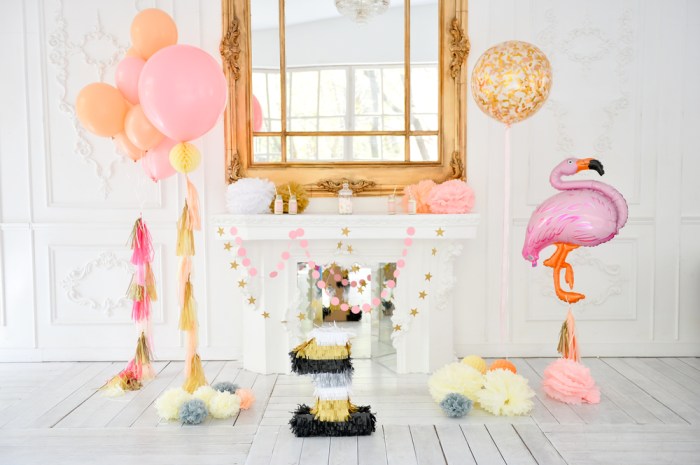
Contemporary centerpieces transcend mere decoration; they become integral elements of the overall aesthetic, setting the tone and mood for any event. Careful arrangement and display choices communicate sophistication and intention, reflecting the unique style of the occasion. These arrangements should seamlessly integrate with the surrounding décor, creating a cohesive and harmonious atmosphere.
Arrangement Methods for Contemporary Centerpieces
Contemporary centerpiece arrangements embrace a diverse range of methods, moving beyond traditional floral displays. These techniques range from minimalist displays emphasizing sculptural forms to elaborate installations that incorporate multiple elements. Geometric shapes, unexpected textures, and unconventional materials are often employed to create a dynamic and visually arresting centerpiece. This approach challenges the conventional notion of a centerpiece, transforming it into a dynamic element that actively participates in the overall design.
Constructing a Contemporary Centerpiece
Crafting a contemporary centerpiece involves more than simply assembling elements. It necessitates a strategic approach to visual balance, negative space, and material selection. Consider the scale and proportions of the space where the centerpiece will be placed. The arrangement should complement the surroundings without overwhelming the room. A crucial element is the careful consideration of negative space, allowing elements to breathe and create a sense of spaciousness.
The interplay of light and shadow also contributes significantly to the visual appeal.
Negative Space and Visual Balance
Strategic use of negative space is essential in contemporary centerpiece design. Negative space, the area around and between objects, creates visual breathing room, preventing the arrangement from feeling cluttered or dense. A well-balanced centerpiece draws the eye through the interplay of positive and negative space, creating a sense of visual harmony. Careful attention to the distribution of weight and form is crucial for achieving visual equilibrium, avoiding any sense of imbalance or asymmetry.
Lighting and Ambiance
Lighting plays a crucial role in enhancing the visual impact of a contemporary centerpiece. The choice of lighting should complement the design and the overall ambiance of the event. Soft, diffused lighting can highlight the textures and forms of the centerpiece, creating an inviting and sophisticated atmosphere. Strategic use of LED lighting can add a contemporary edge, enabling customization of color temperature and intensity.
Different light sources, such as candles or string lights, can add depth and dimension, contributing to the overall aesthetic appeal.
Centerpiece Arrangement Examples
| Arrangement | Visual Impact | Suitable Space | Key Elements |
|---|---|---|---|
| Floating Objects | Minimalist, modern, airy | Large, open spaces, modern dining rooms | Suspended objects, glass containers, or metallic elements. |
| Layered Textures | Intriguing, layered, dimensional | Spaces with high ceilings, large gatherings | Different textures like wood, metal, and glass; varying heights. |
| Sculptural Forms | Abstract, dramatic, eye-catching | Contemporary galleries, high-end events | Geometric shapes, unusual materials, bold colors. |
| Botanical Arrangements | Natural, organic, warm | Casual settings, gardens, outdoor spaces | Non-traditional arrangements, minimal use of florals, natural materials. |
The Role of Color and Texture
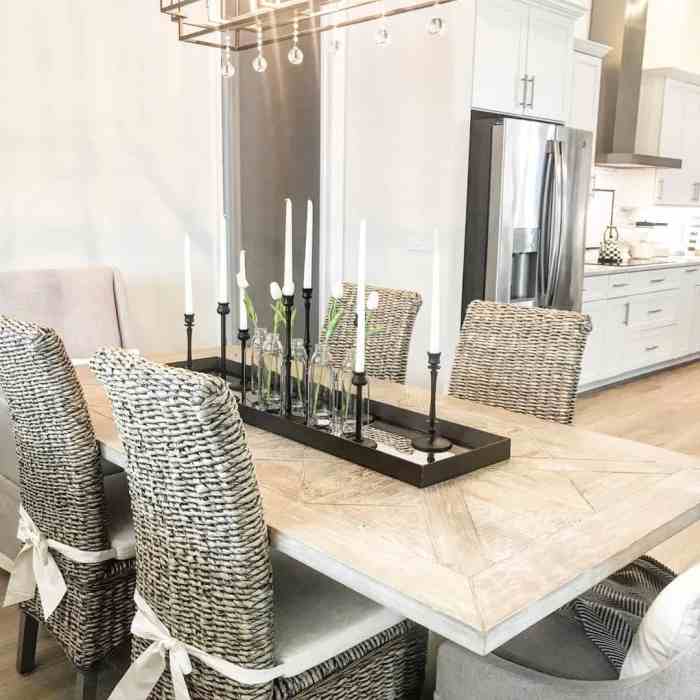
Contemporary centerpiece design transcends mere decoration; it’s a nuanced interplay of visual elements that shape the ambiance and narrative of an event. Color and texture, carefully chosen, become powerful tools to evoke specific moods, guide the eye, and ultimately elevate the overall aesthetic. The interplay of these elements is critical in creating a cohesive and impactful design.Color palettes are not simply aesthetic choices; they carry symbolic weight, influencing perceptions and emotions.
Texture, in turn, adds depth and visual interest, engaging the viewer on a tactile level. Combining complementary color palettes with varied textures can create dynamic and memorable centerpieces.
Impact of Color Palettes
Color palettes significantly impact the atmosphere of a space. Warm tones, like terracotta and gold, evoke feelings of comfort and intimacy, ideal for cozy gatherings or celebratory events. Cool tones, such as blues and greens, instill tranquility and serenity, perfect for sophisticated or formal events. Neutral palettes, comprised of whites, creams, and grays, provide a versatile backdrop, allowing other elements to shine.
The careful selection of a color palette is essential in setting the stage for the event and ensuring a harmonious aesthetic.
The Use of Contrasting Textures
Contrasting textures create visual interest, adding depth and dimension to centerpieces. Combining smooth surfaces with rough textures, or delicate materials with robust ones, produces a dynamic effect. This contrast is crucial in avoiding monotony and stimulating the viewer’s visual experience. Think of polished marble juxtaposed with the rugged texture of reclaimed wood, or the soft sheen of silk against the coarse fibers of linen.
Comparative Analysis of Color Palettes and Textures
| Color Palette | Texture | Examples | Mood Association |
|---|---|---|---|
| Warm (Terracotta, Gold, Burnt Orange) | Natural (Wood, Woven Raffia) | Terracotta pot with dried flowers, gold-rimmed vase with woven raffia accents, wooden box filled with candles and dried grasses. | Cozy, intimate, celebratory, rustic |
| Cool (Blue, Teal, Sage Green) | Smooth (Glass, Polished Metal) | Glass vase with blue hydrangeas, teal candle holders with polished brass accents, sage green bowls with polished stones. | Tranquil, sophisticated, serene, formal |
| Neutral (White, Cream, Gray) | Textural (Velvet, Linen, Raffia) | White ceramic vase with ivory linen runners and textured candles, cream-colored bowl with velvet cushions and scattered pebbles, gray metallic vase with linen and woven raffia. | Versatile, elegant, modern, sophisticated |
| Bold (Red, Deep Purple, Emerald Green) | Geometric (Metal, Glass) | Deep red glass bowl with geometric candle holders, emerald green metal bowl with cut glass accents, deep purple ceramic vase with geometric metal elements. | Dramatic, bold, attention-grabbing, vibrant |
Dimensions and Scale
Contemporary centerpieces are not merely decorative elements; they are integral components of the overall aesthetic and ambiance of a space. Their dimensions and scale play a crucial role in achieving a harmonious and impactful design. Understanding how these factors interact with the surrounding environment is key to crafting a successful arrangement.The size and proportion of a centerpiece significantly affect its visual impact.
A centerpiece that is too small for the table can appear insignificant, while one that is overly large can overwhelm the space, drawing unwanted attention away from the event itself. The goal is to find a balance that allows the centerpiece to serve as a focal point without disrupting the overall harmony of the setting.
Impact of Dimensions on Visual Impact
The size and scale of a centerpiece directly impact the visual experience. A diminutive centerpiece, for example, might be perfect for a intimate gathering, while a grand, statement piece would be more suitable for a formal gala. In either case, the relationship between the centerpiece and the space surrounding it should be considered carefully. A tall, slender centerpiece can create a sense of verticality and height in a room with low ceilings, whereas a wide, shallow arrangement might be more appropriate for a broader, more expansive space.
Relationship Between Centerpiece Size and Space
The size of the centerpiece must be in proportion to the surrounding space. A small table demands a proportionally smaller centerpiece, avoiding a cramped or cluttered look. Conversely, a large, expansive dining table allows for a more substantial and elaborate centerpiece, potentially featuring multiple elements and intricate designs. Consider the size of the table, the height of the surrounding chairs, and the overall room size when selecting a centerpiece.
This ensures the centerpiece complements the setting rather than competing with it.
Importance of Proportion in Contemporary Centerpiece Design
Proportion is critical in contemporary centerpiece design. An oversized centerpiece can disrupt the flow of the event, while a centerpiece that is too small can appear lost and insignificant. The ideal centerpiece maintains a visual equilibrium, acting as a focal point without overpowering the space. For example, a centerpiece that incorporates various heights and textures, even when large, can still feel proportionate if the different elements are carefully balanced.
Emphasizing Elements Through Scale
Scale is a powerful tool in contemporary centerpiece design. Using elements of varying sizes within a single centerpiece can draw attention to specific features. A large, bold flower, for instance, can be juxtaposed with smaller, more delicate greenery or accessories to create a sense of visual hierarchy. This strategy helps to focus the eye on particular aspects of the arrangement while maintaining overall balance.
Examples of Different Sizes and Scales in Contemporary Centerpieces
- A tall, slender centerpiece featuring a single, dramatic orchid positioned centrally on a long, narrow table. The orchid’s height and presence will draw attention, while the linear form of the table and the simplicity of the arrangement maintain a contemporary aesthetic.
- A low, wide centerpiece composed of cascading greenery and strategically placed candles. The use of varied heights and textures creates a visual interest, but the overall low profile of the arrangement avoids overpowering the table and the surrounding space.
- A sculptural centerpiece, constructed from geometric shapes and various materials, with a focus on contrast in scale and material. The sharp lines and contrasting textures of the different materials draw the eye and enhance the modern feel of the arrangement.
- A minimalist centerpiece with a single, large vase containing a few stems of striking, bold flowers. The vase’s unique shape and the flowers’ strong color and form create a focal point without any extraneous elements.
Incorporating Greenery and Flowers
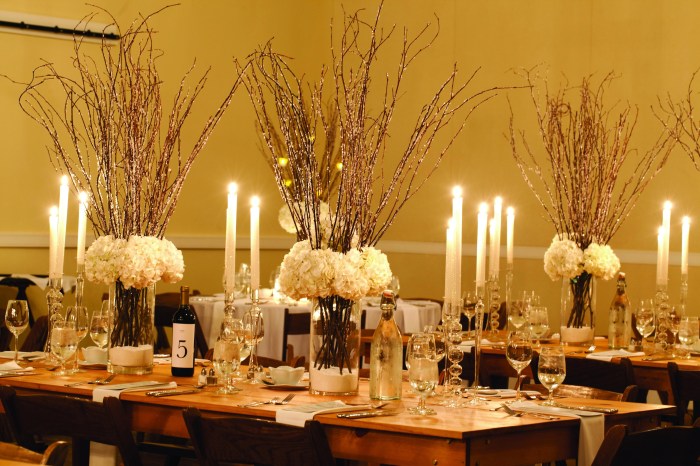
Contemporary centerpieces often leverage the natural beauty of greenery and flowers to evoke a sense of understated elegance and sophistication. These elements, carefully selected and integrated, can transform a simple arrangement into a captivating focal point. The choice of flora and foliage plays a pivotal role in defining the overall aesthetic and conveying the desired mood.
Role of Greenery and Flowers
Greenery and flowers act as vital components in contemporary centerpieces, contributing to the overall visual appeal and atmosphere. Their selection influences the color palette, texture, and overall aesthetic of the design. Careful consideration of these factors results in arrangements that are both visually engaging and harmoniously integrated with the surrounding decor.
Types of Greenery and Flowers
A wide array of greenery and flowers are suitable for contemporary centerpieces. The selection should reflect the specific event and desired ambiance. Sophisticated choices include eucalyptus, ferns, and various grasses, providing a natural backdrop for blooms. The use of bold, vibrant flowers such as peonies, roses, or orchids can add a touch of drama and elegance, while more understated options like ranunculus or hydrangeas offer a refined touch.
Consider seasonal availability and flower varieties that are known for their resilience.
Methods of Incorporation
Contemporary arrangements often prioritize a minimalist approach to integrating greenery and flowers. The goal is to showcase the natural beauty of the elements without overwhelming the space. Methods include cascading arrangements, using varying heights and textures of greenery to create depth, and incorporating different foliage types for visual interest. Grouping flowers and foliage together in clusters can also emphasize their natural forms and organic shapes.
Consider incorporating elements that extend beyond traditional bouquets, such as dried grasses or seed pods, for a more textured and dimensional look.
Contemporary Centerpiece Examples
- A centerpiece featuring a low, cascading arrangement of eucalyptus branches, accented with delicate white roses and sprigs of baby’s breath. The arrangement is displayed on a clear glass pedestal, highlighting the natural beauty of the flowers and foliage. The simple, clean lines of the pedestal enhance the contemporary feel of the piece.
- A modern table setting featuring tall, slender vases filled with an assortment of succulents, air plants, and muted-toned wildflowers. The arrangement emphasizes the textures of the various plants, creating a visually dynamic centerpiece. The muted color palette complements the overall contemporary aesthetic.
- A geometric arrangement using various shades of greens and browns. The centerpiece includes dried grasses, ferns, and seed pods. It is placed on a dark wood table, enhancing the earthy tones of the arrangement. This arrangement highlights the natural beauty of dried elements, offering a more textured and dimensional look.
Impact of Natural Elements
The inclusion of natural elements like greenery and flowers in contemporary centerpieces can significantly enhance the overall design. They add a touch of nature’s beauty, creating a calming and inviting atmosphere. The organic forms and textures of the greenery and flowers provide a visual contrast to the clean lines and modern aesthetics of the event space. The presence of natural elements contributes to a more welcoming and inviting environment, promoting a feeling of connection with nature.
The natural elements in the arrangements help to create a warm and inviting atmosphere, and add a sense of beauty and elegance.
Budget-Friendly Contemporary Centerpieces
Contemporary design often evokes a sense of sophistication and elegance, but it doesn’t have to come with a hefty price tag. Budget-conscious individuals can still achieve striking, modern aesthetics with thoughtful choices and resourceful techniques. Clever material selection, DIY approaches, and a keen eye for detail can transform inexpensive elements into impactful centerpieces.Creating budget-friendly contemporary centerpieces requires a shift in perspective, focusing on the arrangement and presentation rather than the intrinsic value of materials.
The key is to maximize impact through creative design and thoughtful selection of readily available, yet stylish, components.
Affordable Materials and Techniques
A multitude of inexpensive materials can form the foundation of a modern centerpiece. Recycled or reclaimed materials are a significant source of inspiration. Consider repurposing old tins, jars, or wooden crates, transforming them into unique vessels. Plain glass jars, painted in muted tones or accented with metallic spray paint, can provide a clean, minimalist base. These inexpensive components can be further enhanced with budget-friendly embellishments, like strategically placed greenery, candles, or decorative stones.
Maximizing Impact with Affordable Materials
The aesthetic impact of a centerpiece doesn’t hinge solely on the cost of the materials. Consider the arrangement and presentation. A simple grouping of candles in varying heights, combined with strategically placed greenery, can create a dramatic focal point. The use of textiles, such as linen runners or woven placemats, can add warmth and texture to the overall arrangement.
Incorporating metallic accents, like copper or brass, can subtly elevate the aesthetic without breaking the bank.
Upcycled and Reclaimed Materials
Upcycling and repurposing existing materials are crucial to achieving a budget-friendly contemporary style. Old wine bottles, transformed into vases, or vintage trays, repurposed as serving platters, can create a distinctive look. For example, wooden crates, painted in a modern color palette, can serve as bases for arrangements of candles and flowers. This creative approach to material selection is not only environmentally conscious but also fosters a unique, personalized aesthetic.
DIY Techniques for Affordable Centerpieces
DIY techniques offer a wealth of opportunities for creating budget-friendly contemporary centerpieces. Consider crafting simple, yet elegant, candle holders from repurposed materials. For example, painting terracotta pots with a matte finish and placing candles within them provides a clean, modern look. Adding a layer of metallic leaf to the base of a simple glass bowl can transform it into a sophisticated centerpiece.
These DIY methods not only reduce costs but also provide an avenue for personalization and creativity.
Inspiration and Examples
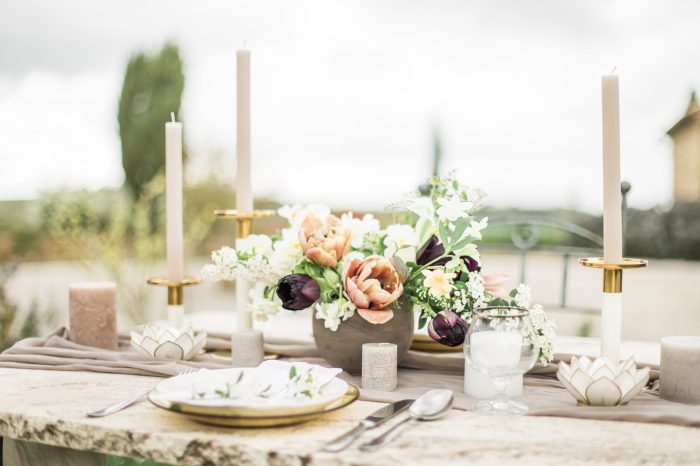
Contemporary centerpieces, reflecting a dynamic aesthetic, draw inspiration from a multitude of sources, ranging from minimalist design to vibrant artistic expressions. These pieces are not mere decorative additions; they are statements, reflecting the host’s style and the spirit of the event. Their design often pushes boundaries, utilizing unconventional materials and arrangements to create a striking visual impact.A key aspect of contemporary centerpiece design is the ability to adapt and reinterpret existing ideas.
This process allows for the creation of unique and personalized arrangements, avoiding a stale or predictable look. Successful contemporary pieces demonstrate a strong understanding of the interplay between form, function, and overall ambiance.
Sources for Inspiration
Contemporary design is often driven by current trends and artistic movements. Explore design blogs, magazines, and social media platforms dedicated to contemporary home decor and events. Architectural publications often feature interiors showcasing innovative and thought-provoking centerpieces. Museums and galleries frequently exhibit work by contemporary artists that offer valuable inspiration for creative arrangements.
Contemporary Artists and Designers
Numerous contemporary artists and designers contribute to the evolution of centerpiece design. Their work often challenges conventional notions of beauty and functionality. For instance, artists known for sculptural installations or abstract paintings frequently incorporate elements into their centerpieces. Similarly, industrial designers often blend form and function in their pieces, resulting in uniquely contemporary arrangements.
Adapting Existing Ideas
Adapting existing ideas is key to creating your own contemporary centerpiece. For instance, a minimalist sculpture can be reinterpreted with different materials, such as textured wood or polished metal. Similarly, an abstract painting can serve as a guide for a colorful arrangement using varied flower types and greenery. Key to this process is understanding the underlying aesthetic of the original piece and applying similar principles to the centerpiece design.
Examples of Contemporary Centerpieces
A contemporary centerpiece might feature a cluster of geometrically shaped candlesticks, interspersed with a selection of unusual plants or carefully chosen succulents. Another example could be a single, large, abstract sculpture crafted from metal or glass, placed prominently on a table. An array of carefully arranged, varying heights of glass vessels filled with water and floating botanicals, can also create a captivating contemporary centerpiece.
Image Descriptions of Contemporary Centerpiece Styles
| Style | Description |
|---|---|
| Geometric Minimalism | A centerpiece featuring a collection of meticulously arranged, geometrically-shaped vessels, each filled with a single, bold color of flowers. The overall arrangement creates a sense of clean lines and visual harmony. |
| Sculptural Abstraction | A centerpiece showcasing a unique, three-dimensional sculpture made from reclaimed materials like metal or wood. The sculpture is the focal point, with subtle lighting highlighting its form and texture. Minimal greenery and flowers are used to complement the piece. |
| Botanical Modernism | A centerpiece that emphasizes the natural beauty of botanicals. Tall, slender vases hold an array of varying heights and textures of flowers, creating a lush, layered effect. The design is streamlined, yet organic, blending nature with modern aesthetics. |
Future Trends in Contemporary Centerpieces
Contemporary centerpiece design, mirroring broader design trends, is poised for evolution. Emerging technologies and a heightened awareness of sustainability are set to reshape the aesthetic and functionality of these focal points. Expect a move beyond traditional materials and arrangements, towards more innovative and environmentally conscious approaches.
Emerging Technologies and Materials
Future centerpieces will likely incorporate advancements in 3D printing, bio-based materials, and LED lighting. 3D printing offers unprecedented design freedom, enabling intricate and personalized forms. Bio-based materials, such as mycelium or sustainably harvested wood, will become increasingly prevalent, reflecting a commitment to eco-friendly options. LED lighting systems will allow for dynamic and customizable color palettes, enhancing the visual impact of the centerpieces.
Sustainability and Environmental Consciousness
The growing emphasis on sustainability is significantly impacting centerpiece design. Centerpieces will increasingly incorporate recycled and reclaimed materials, minimizing environmental impact. The use of locally sourced flowers and plants will further promote sustainability and support local economies. The selection of materials, such as biodegradable alternatives to traditional plastics and metals, will be paramount. The concept of “zero-waste” centerpiece design will become increasingly relevant, emphasizing the reduction of single-use items.
Integration of Technology
Integrating technology into centerpieces will allow for interactive and dynamic displays. Programmable LEDs will enable color-changing effects, synchronized to music or other stimuli. Interactive displays could incorporate projected images or animations, transforming the centerpiece into a dynamic visual experience. Smart technology could also facilitate the tracking and monitoring of plant health and water levels within the arrangement, promoting efficient and sustainable practices.
Examples of this trend can be seen in the growing use of smart lighting systems in homes and public spaces.
Impact on Design
These trends will lead to a shift in design aesthetics. Centerpieces will move away from static arrangements toward more dynamic and interactive experiences. The integration of technology will create opportunities for personalized and bespoke pieces, adapting to the unique needs and preferences of the event. Centerpieces will become more than mere decorative elements; they will be interactive and responsive, enhancing the overall experience.
Consider how augmented reality could be integrated into the centerpiece design to provide additional information or enhance the visual experience.
Epilogue
In conclusion, contemporary centerpieces offer a captivating canvas for artistic expression, allowing you to personalize and elevate any space. By understanding the interplay of design elements, materials, and trends, you can create bespoke centerpieces that perfectly reflect the occasion and leave a lasting impression. This guide provides a framework for crafting beautiful, functional, and memorable centerpiece designs for any event.