
In today’s fast-paced world, maximizing workspace efficiency is paramount. Cluttered desks and drawers filled with pens and pencils can lead to lost time and decreased productivity. Investing in well-designed drawer organizers can transform your workspace from chaotic to highly functional, optimizing workflow and enhancing focus.
This comprehensive guide explores the various types of drawer organizers for pens and pencils, from vertical dividers to magnetic strips. We delve into the optimal materials, considering durability and cost, and provide practical tips for maintaining a clutter-free, highly organized workspace. Understanding the diverse needs of various users is crucial; therefore, this guide explores multiple organizational strategies, catering to both personal and professional settings.
Introduction to Drawer Organizers
Cluttered drawers are a common problem in homes and offices, leading to wasted time and frustration. Disorganized pens, pencils, and other stationery items often lead to misplaced tools and decreased productivity. Drawer organizers provide a solution to this issue by creating designated spaces for various items, fostering efficiency and minimizing the time spent searching for specific tools. This structured approach directly impacts workflow and overall productivity, especially in environments demanding precision and speed.Drawer organizers are versatile solutions that cater to various storage needs.
They range from simple dividers to complex multi-tiered systems. These tools are essential for keeping workspaces tidy and maximizing available space. They also help to maintain a consistent workflow, reducing the time spent on searching for specific items and improving the overall user experience.
Types of Drawer Organizers
Drawer organizers come in a wide array of designs, each tailored to specific needs. Common types include:
- Dividers: These are simple, yet effective, tools that create separate compartments within a drawer. They’re ideal for separating different categories of items, such as pens, pencils, and markers, allowing for quick access and preventing items from becoming mixed.
- Bins and Trays: These organizers often feature multiple compartments, allowing for more complex organization. They can be used to store various stationery items, like erasers, highlighters, and rulers, in a neat and organized manner.
- Stackable Containers: These organizers are often constructed with clear plastic or other transparent materials. This allows users to easily identify the contents within each container without needing to open them. This transparency is highly beneficial for environments requiring rapid retrieval of specific tools.
Materials Used in Construction
Drawer organizers are typically made from a variety of materials, each with its own advantages and disadvantages. The choice of material often depends on the intended use and budget.
- Plastic: Common for its affordability, durability, and often, transparent nature, allowing for easy identification of contents. This is frequently used for bins and trays due to its flexibility.
- Metal: Strong and durable, often employed in heavier-duty organizers or those designed for high-traffic areas. The rigidity of metal provides stability for larger or heavier items.
- Wood: A more traditional material that offers a warm aesthetic. Often used for more decorative drawer organizers or those designed for smaller, delicate items.
- Cardboard/Paperboard: Budget-friendly and easily customizable. Often used for simple dividers or temporary storage solutions.
Benefits of Using Drawer Organizers for Pens and Pencils
Efficient organization of pens and pencils is critical in many professional settings. A well-organized drawer significantly improves productivity.
- Improved Workflow: Quickly locating the right pen or pencil reduces the time spent searching and increases the speed of task completion. This improvement in workflow is demonstrably linked to increased productivity.
- Reduced Errors: Proper organization helps prevent the accidental use of the wrong tool, leading to fewer mistakes and improved accuracy in tasks, such as writing or drawing.
- Enhanced Aesthetics: A well-organized drawer creates a more professional and inviting workspace, contributing to a positive and focused work environment. This aesthetic improvement can contribute to a positive psychological impact.
- Time Savings: Time spent searching for tools is minimized, freeing up more time for completing tasks. This is a critical factor in high-pressure environments.
Impact of Proper Pen/Pencil Organization on Productivity
The benefits of organized pens and pencils extend far beyond simply keeping a workspace tidy. The impact on productivity is significant.
- Increased Focus: A clutter-free workspace allows for a more focused and productive work environment. A disorganized workspace has a proven correlation with reduced focus.
- Improved Efficiency: Efficient access to tools directly correlates with faster task completion and increased overall efficiency.
- Enhanced Creativity: A well-organized workspace fosters a more relaxed and creative atmosphere, leading to better problem-solving and more innovative ideas. This is often observed in design or creative writing environments.
Types of Drawer Organizers for Pens and Pencils
Choosing the right drawer organizer for pens and pencils is crucial for maintaining a productive and organized workspace. A well-structured system streamlines access and minimizes clutter, boosting efficiency. From students to professionals, the right solution can significantly impact daily tasks.Effective drawer organization not only saves time but also reduces the risk of losing or misplacing essential tools. This translates to greater productivity and a more pleasant work environment.
Different organizer types cater to varying storage needs and preferences, making selection dependent on factors like drawer size, storage capacity, and the types of writing instruments used.
Vertical Dividers
Vertical dividers are a popular choice for maximizing space in drawers. They create distinct compartments, ensuring that pens and pencils are neatly separated. This structure allows for easy identification and retrieval of specific items. Vertical dividers are particularly well-suited for drawers with a significant depth, allowing for a large number of writing instruments to be organized in a structured manner.
Trays
Trays, often made of plastic or metal, provide a flat surface for organizing pens and pencils. These organizers can be stacked or nested, making them versatile for various drawer configurations. The trays can be adjustable or fixed, enabling users to customize the arrangement according to their specific needs. Their flat surface facilitates quick identification and selection of items.
Pencil Holders
Pencil holders, usually cylindrical or rectangular in shape, are specifically designed for storing pencils. Their narrow design efficiently uses vertical space. They are ideal for organizing pencils neatly and preventing them from rolling around. This design is ideal for small drawers or specific storage needs.
Slotted Organizers
Slotted organizers are a practical solution for pencils, featuring numerous slots to hold individual pencils. These organizers are great for storing a substantial quantity of pencils. The slots ensure pencils are held securely in place, preventing them from shifting or falling out. Their precise organization is ideal for situations where pencils need to be kept in a precise and organized order.
Magnetic Strips
Magnetic strips are a unique and innovative solution for storing pens. These organizers utilize magnetic force to hold pens in place, ensuring stability and preventing them from falling. They are a space-saving option, especially for pens with metal components. They are particularly useful for pens that need to be easily accessible without taking up too much space.
Choosing the Right Organizer
| Organizer Type | Features | Suitability for Pens/Pencils |
|---|---|---|
| Vertical Dividers | Create distinct compartments, maximize space, facilitate easy retrieval | Pens, Pencils |
| Trays | Flat surface, versatile, adjustable/fixed, stackable | Pens, Pencils |
| Pencil Holders | Cylindrical/rectangular, efficient vertical space use, prevent rolling | Pencils |
| Slotted Organizers | Numerous slots, secure pencil storage, precise organization | Pencils |
| Magnetic Strips | Magnetic force, space-saving, stable storage, easily accessible | Pens (with metal components) |
The appropriate organizer depends on the drawer’s size and the specific storage needs. A small drawer might benefit from a pencil holder or a magnetic strip, while a larger drawer can accommodate vertical dividers or trays. Consider the number of pens and pencils, the type of writing instrument (e.g., pens with metal clips), and the desired level of organization when making your choice.
A well-considered selection can streamline workflow and boost productivity.
Organizing Pens and Pencils in Drawers
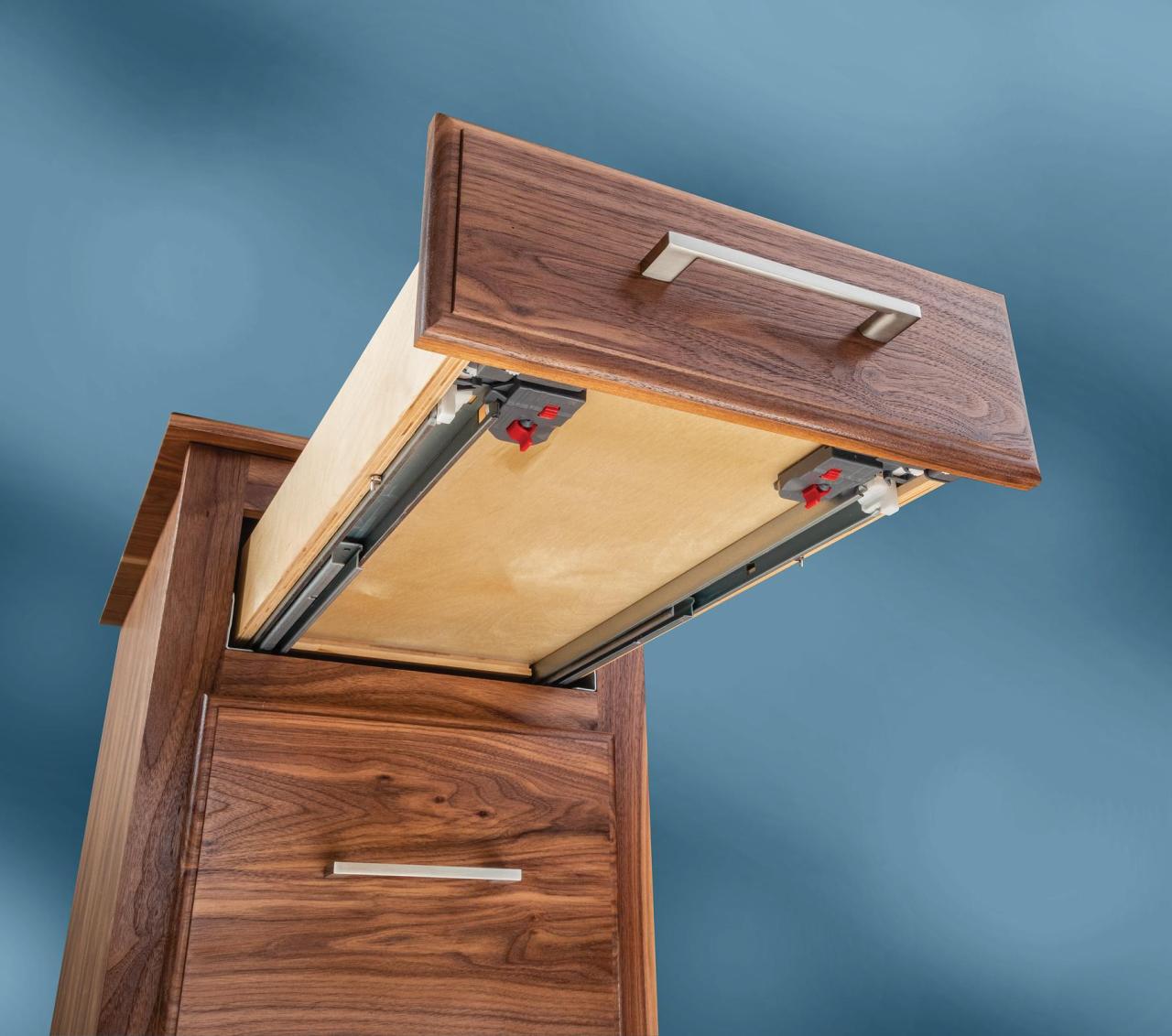
Maximizing the utility of drawer organizers for pens and pencils demands a strategic approach to layout. Efficient organization translates directly into workflow efficiency, saving valuable time and reducing frustration when searching for specific tools. This section details optimal strategies for categorizing and arranging pens and pencils within drawer organizers, ensuring seamless access and minimizing clutter.A well-organized drawer system allows for quick retrieval of tools, fostering a more productive and focused work environment.
This is especially critical for professionals in fast-paced environments, where time is a premium. By establishing clear, repeatable systems for pen and pencil storage, individuals and teams can streamline their workflows and enhance overall productivity.
Pen Organization Strategies
Effective pen organization hinges on a logical system that facilitates quick identification and retrieval. Consider categorizing pens by color, type, or size, all crucial elements in a well-functioning workspace.
- Color-Coded Organization: Grouping pens by color offers a visually appealing and easily navigable system. This method is particularly useful for quickly identifying a specific pen color without needing to sort through multiple pens. The advantage lies in the intuitive nature of this system; the disadvantage might be the lack of differentiation between pen types within the same color group.
- Type-Based Categorization: Separating pens by type (ballpoint, gel, felt-tip) allows for easy access to specific writing tools based on their function. This approach is highly practical for those who frequently switch between different pen types. A drawback might be the space required for accommodating the variety of pen types. This approach also allows for the potential to store different sizes of pens within the same type.
- Size-Based Organization: For users who primarily utilize pens of varying sizes, a size-based system ensures easy access to pens based on their dimensions. This method offers a precise and targeted approach to pen selection, facilitating a seamless writing experience. The disadvantage is that this method might not be suitable for those who use a limited number of pen sizes, leading to wasted space.
Pencil Organization Layouts
A well-structured pencil layout maximizes drawer space and ensures easy access to specific pencils. This method considers various factors, including pencil type, size, and intended use.
| Layout | Description | Advantages | Disadvantages |
|---|---|---|---|
| By Type (Mechanical, Wood, Colored): | Categorizing pencils by their type (mechanical, wooden, colored) allows for easy identification and retrieval based on their function. | Enhanced functionality, quick identification of pencil type. | May require significant space, potentially leading to clutter if not managed efficiently. |
| By Size: | Grouping pencils by size (e.g., large, medium, small) ensures quick access to the desired pencil size. | Streamlined selection based on dimensions, maximizing efficiency. | Might not be practical for users with a limited range of pencil sizes. |
| By Color: | Organizing pencils by color provides a visually appealing and easily navigable system. | Intuitive and visual approach, promoting quick selection. | May not be effective for users who use various colors less frequently. |
| By Intended Use (Drawing, Writing, Drafting): | Grouping pencils based on their intended use enhances workflow efficiency. | Facilitates a more productive workspace by having specific tools readily available. | May not be suitable for those who use pencils for diverse tasks. |
Materials and Construction
Choosing the right materials for a pen and pencil drawer organizer is crucial for both its functionality and longevity. The material selection directly impacts the organizer’s durability, aesthetic appeal, and cost-effectiveness. Different materials offer varying degrees of resistance to wear, tear, and potential damage, making careful consideration essential. Ultimately, the ideal choice depends on the intended use, budget constraints, and desired level of durability.
Material Options for Drawer Organizers
Drawer organizers for pens and pencils utilize a diverse range of materials, each with its own set of characteristics. Common materials include plastic, wood, metal, and composite materials. Understanding the strengths and weaknesses of each material is key to selecting the most suitable organizer for specific needs.
Plastic Organizers
Plastic drawer organizers are frequently chosen due to their affordability and wide availability. They are lightweight, come in various colors and designs, and are generally easy to clean. However, plastic can be susceptible to scratches and dents, especially with rough handling. The durability of plastic organizers can vary significantly depending on the type of plastic used. Some high-impact plastics offer greater resistance to damage.
Wood Organizers
Wood organizers provide a natural aesthetic and often a more substantial feel. The durability of wood depends heavily on the type of wood used and the construction techniques. Solid wood organizers are generally more durable than those made from particleboard or plywood. However, wood can be prone to warping or damage from moisture, making proper care and storage essential.
A polished or treated finish can enhance the durability and resistance to moisture.
Metal Organizers
Metal drawer organizers, particularly those made from steel or aluminum, offer exceptional durability and longevity. They are resistant to scratches, dents, and warping, making them suitable for high-traffic areas. However, metal organizers can be heavier than plastic or wood options. Their aesthetic appeal might not be as versatile as other materials, typically leaning towards a more industrial or modern design.
Composite Organizers
Composite materials, often blends of plastic and other materials, aim to combine the advantages of various materials. They can offer good durability at a moderate cost. The specific properties of composite materials can vary significantly based on the precise composition. Some composite materials are more resistant to scratches and impact than others. Their longevity also depends on the specific composite material used.
Comparative Analysis of Materials
| Material | Durability | Cost | Aesthetics | Maintenance |
|---|---|---|---|---|
| Plastic | Moderate | Low | Versatile | Easy |
| Wood | High (with proper treatment) | Medium | Natural | Moderate |
| Metal | High | Medium to High | Industrial/Modern | Easy |
| Composite | Moderate to High | Medium | Variable | Moderate |
Material Selection Considerations
The best material for a pen and pencil drawer organizer depends on individual needs and priorities. Consider the following factors when making your decision:
- Budget: Plastic organizers are typically the most affordable, while metal or solid wood options will be more expensive.
- Durability Requirements: For high-usage areas or environments with potential impacts, metal or composite materials are more suitable.
- Aesthetics: If a natural or rustic look is desired, wood is an excellent choice. Plastic and metal organizers are more versatile.
- Maintenance: Wood requires more maintenance to prevent warping or damage from moisture, whereas plastic and metal are relatively easy to clean.
Practical Tips and Tricks
Maintaining a well-organized pen and pencil drawer goes beyond the initial setup. Proactive measures are crucial for long-term organization and efficiency. These practical tips and tricks provide a roadmap for sustained order, minimizing clutter, and maximizing workspace productivity.Effective drawer organization isn’t a one-time fix; it’s an ongoing process. Regular maintenance and mindful use are key to preventing the drawer from reverting to a chaotic state.
Understanding these practical tips empowers users to create and maintain a streamlined workspace.
Maintaining Order in the Drawer
Regularly reviewing and adjusting the drawer’s contents prevents clutter from accumulating. This involves periodically removing items that are no longer needed or used frequently. Proper placement of each item, aligned with its usage frequency, is critical for maintaining order.
- Prioritize usage: Place frequently used pens and pencils in easily accessible locations within the organizer. Less frequently used items can be stored in the back or higher compartments.
- Regular decluttering: Periodically review the contents of the drawer, removing any pens or pencils that are no longer needed or in good working order. This prevents the drawer from becoming overloaded with unused items.
- Designated spaces: Assign specific locations within the organizer for different types of pens and pencils (e.g., fine-liners, colored pens, mechanical pencils). This helps in quick retrieval and prevents mixing.
Cleaning and Maintenance
Regular cleaning and maintenance of drawer organizers are essential for preserving their longevity and functionality. This includes removing dust, debris, and any accumulated ink or residue. Cleanliness also contributes to the overall aesthetic appeal of the workspace.
- Regular cleaning: Wipe down the organizer with a damp cloth and mild detergent to remove dust and debris. Use a soft-bristled brush for hard-to-reach areas.
- Addressing spills: Immediately address any spills or ink leaks to prevent staining and damage to the organizer. Use a clean cloth to blot up excess liquid and follow up with a mild detergent.
- Inspecting for wear and tear: Periodically inspect the organizer for signs of wear or damage, such as cracks, loose parts, or warped surfaces. Address any issues promptly to prevent further deterioration.
Preventing Clutter Buildup
Proactive measures can significantly reduce clutter in the pen and pencil drawer. A structured approach to storage and use, combined with regular decluttering, is vital for long-term organization. By adhering to these strategies, users can prevent the drawer from becoming overcrowded.
- Designated areas for additions: Establish a designated area for storing new pens and pencils as they are acquired. This prevents immediate dumping into the drawer and allows for review and placement based on frequency of use.
- “One-in, one-out” policy: Adopt a “one-in, one-out” policy when acquiring new pens or pencils. For each new item added, remove an equivalent item from the drawer to maintain a balanced amount of supplies.
- Transparent storage: Consider using transparent containers or bins within the drawer organizer to easily visualize the contents and identify items quickly. This helps to avoid misplacing or losing items.
Integrating Organizers into Workspaces
Proper integration of drawer organizers seamlessly enhances workspace organization. Strategic placement and matching the organizer to the existing workspace design optimizes workflow. Thoughtful planning can make the drawer organizer an integral part of a smooth workflow.
- Ergonomic considerations: Ensure the drawer organizer is ergonomically sound. Items should be easily accessible to minimize reaching and bending, which can lead to discomfort or injuries over time.
- Matching aesthetic: Select a drawer organizer that complements the overall aesthetic of the workspace. Consider factors such as color, material, and design to create a cohesive and visually appealing workspace.
- Customizable designs: Look for organizers that can be adjusted to fit the specific dimensions of the drawer. This ensures a perfect fit and prevents wasted space or items falling out.
Frequently Asked Questions (FAQ)
These frequently asked questions address common concerns regarding pen and pencil drawer organization. Addressing these issues directly helps users effectively utilize and maintain their drawer organizers. Thorough understanding of these questions and answers provides a practical guide for successful drawer organization.
- How often should I clean my drawer organizer? Regular cleaning, at least once a month, is recommended to maintain cleanliness and prevent the buildup of dust and debris. More frequent cleaning may be necessary depending on usage and the environment.
- What are the best materials for drawer organizers? Durable, non-porous materials like plastic or metal are ideal for preventing damage and staining. Wood or bamboo can also be suitable choices, depending on the aesthetic preference.
- How can I prevent pens from rolling around in the drawer? Use dividers or compartments within the organizer to keep pens and pencils in place. Alternatively, consider using specialized containers or trays to prevent rolling.
Cost Considerations
The cost of drawer organizers for pens and pencils varies significantly, depending on the type, materials, and features. Understanding this pricing spectrum is crucial for making informed decisions and ensuring value for money. Factors like durability, aesthetic appeal, and functionality all play a role in determining the final price tag.The price of a drawer organizer often reflects the quality and features it offers.
Higher-end organizers, typically made from premium materials like polished wood or high-quality plastic, often include more sophisticated features such as adjustable compartments or integrated labeling systems. These enhancements typically come with a premium price tag, but can also lead to greater long-term value and satisfaction.
Price Range for Different Organizer Types
Drawer organizers for pens and pencils span a broad price range. Basic, simple organizers often made from cardboard or plastic, designed for straightforward storage, are generally more affordable. Conversely, organizers with advanced features, custom designs, or made from premium materials will command a higher price point.
Relationship Between Price and Quality/Features
A strong correlation exists between the price of a drawer organizer and its quality and features. Organizers with adjustable dividers, multiple compartments, and durable construction typically command a higher price. These features often contribute to better organization and longer lifespan. Conversely, budget-friendly options may compromise on some features to keep the price lower.
Comparison of Material Prices
The price of drawer organizers is also influenced by the material used in their construction. Wood, while often seen as a premium material, can vary in cost depending on the type of wood and finishing. Plastic, particularly high-quality, durable plastics, can offer a good balance of affordability and functionality. Cardboard, while extremely budget-friendly, may not be as durable in the long run.
Metal organizers, often used for heavier items, can be more expensive than plastic or wood, but offer exceptional durability.
Price Variations for Different Organizer Types
| Organizer Type | Approximate Price Range (USD) | Description |
|---|---|---|
| Basic Plastic | $5-$20 | Simple, single-layer organizers, often with limited compartments. |
| Adjustable Wood | $20-$50 | Wooden organizers with adjustable dividers for customized storage, often with a more sophisticated look. |
| Custom Metal | $50-$150+ | Metal organizers, often with intricate designs or specialized compartments for various pen and pencil sizes, ideal for high-capacity storage and durable use. |
| Premium Plastic/Acrylic | $20-$80 | High-quality plastic or acrylic organizers with clear compartments for easy visibility, often with multiple layers and durable design. |
Budget-Friendly Options
Budget-friendly drawer organizers can be found in various forms. Simple, plastic organizers are a common choice, offering basic functionality at a low price. Cardboard organizers, though less durable, can be a cost-effective solution for temporary or occasional use. Alternatively, purchasing used organizers or seeking out sales and promotions can significantly reduce the overall cost. One can also consider DIY solutions, using readily available materials to create custom organizers.
Repurposing old containers or boxes can also be a creative and cost-effective approach. For example, repurposing a clear plastic container, such as a food storage container, can be a simple and affordable way to create a functional pen and pencil organizer.
Space Optimization Techniques
Maximizing space in drawers for pens and pencils requires a strategic approach. Efficient organization not only enhances the aesthetic appeal of the workspace but also saves valuable time by allowing quick and easy access to the necessary writing instruments. This section details methods for vertical and horizontal organization, drawer dividers, and creating multiple levels within the drawer to optimize storage capacity.Vertical and horizontal configurations are critical for maximizing space utilization.
Employing these techniques correctly allows for the optimal placement of pens, pencils, and other stationery items, ensuring easy retrieval and minimizing clutter. Different strategies are applicable depending on the drawer size and the specific items being stored.
Vertical Organization Strategies
Vertical organization is ideal for maximizing space in deep drawers. Stacking pens and pencils vertically, especially when using specialized containers or dividers, allows for a more compact and organized storage method. Using different sized containers can further improve vertical organization. For example, placing smaller containers inside larger ones creates tiered storage.
Horizontal Organization Strategies
Horizontal organization is particularly useful for shallower drawers or for items that need to be easily accessible. Using trays, dividers, or specialized containers in a horizontal configuration allows for a clear visual representation of the contents. This layout promotes quick identification and retrieval of specific pens or pencils.
Utilizing Drawer Dividers
Drawer dividers are essential for efficient space optimization. These dividers help to define sections within the drawer, preventing items from shifting and maintaining order. Properly sized dividers allow for the optimal arrangement of various stationery items, such as pens, pencils, highlighters, and erasers. For instance, using dividers of varying heights and widths can create dedicated spaces for different types of writing instruments.
This ensures that each item has its designated place.
Creating Multiple Levels Within the Drawer
Creating multiple levels within the drawer is a sophisticated approach for maximizing storage. This technique is particularly effective for drawers with significant depth. Stacking trays, boxes, or containers on top of each other can create multiple levels of storage. This strategy is particularly useful when storing a diverse range of stationery items, such as pens, pencils, erasers, and highlighters.
This approach also enhances the overall aesthetic of the drawer by providing a visually organized appearance.
Best Practices for Maximizing Drawer Storage
Maintaining a consistent approach to organizing items in the drawer is crucial for long-term efficiency. Using standardized containers or containers with consistent dimensions ensures that the drawer remains well-organized and accessible. Regular review and re-arrangement of the drawer’s contents will help to keep the space optimized. For example, as new items are added or existing items are removed, the organization should be adjusted to maintain a clear and functional arrangement.
Visual Representations
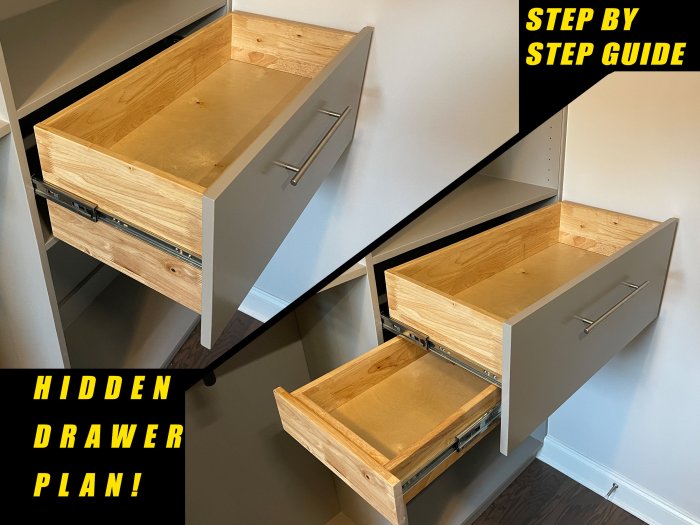
Maximizing the effectiveness of drawer organizers for pens and pencils hinges on clear visualization. Visual representations aid in the selection process, allowing users to conceptualize how different styles and layouts will integrate with their existing storage needs. A well-designed visual presentation clarifies the potential space-saving benefits and aesthetic impact of each option.Effective visualization also helps in choosing the right drawer organizer to accommodate specific pen and pencil types.
Understanding the different layouts and arrangement styles allows users to optimize space and maintain a well-organized workspace.
Drawer Organizer Styles
Visualizing the various drawer organizer styles is crucial for informed decision-making. Different styles cater to diverse storage requirements and aesthetic preferences. These include modular units, adjustable dividers, and specialized compartments designed for specific pen types.
- Modular Units: These organizers often consist of interlocking trays or containers that can be arranged in various configurations within a drawer. This modularity allows for customized solutions to fit the exact size and shape of the drawer. For example, a modular organizer with multiple, removable compartments can accommodate both ballpoint pens and fine-tipped markers, with different sizes for each type.
- Adjustable Dividers: These organizers offer flexible partitioning, enabling users to adjust the size and placement of compartments based on the dimensions and quantities of pens and pencils. This adaptability ensures optimal space utilization, as dividers can be moved or removed as needed. For instance, adjustable dividers can easily accommodate different sizes of colored pencils, mechanical pencils, or technical pens.
- Specialized Compartments: These organizers are tailored to specific pen types, providing designated areas for different writing tools. This approach ensures that each type of pen or pencil has a dedicated space, which helps prevent mixing and aids in quickly locating the required item. For example, a specialized organizer could have dedicated compartments for fountain pens, rollerballs, and felt-tip markers.
Pen and Pencil Layouts
Visualizing the arrangement of pens and pencils in drawers is critical for efficient use of space. A well-structured layout allows for quick access to tools while maintaining order.
- Categorical Layouts: This method involves grouping pens and pencils by type (ballpoint, gel, etc.) or color. This facilitates quick identification and retrieval of specific items. For example, grouping ballpoint pens by color or size, while keeping gel pens together in a separate section, will improve the efficiency of accessing tools.
- Size-Based Layouts: This approach arranges pens and pencils based on their size. This method is especially useful for organizing various mechanical pencils or different sizes of colored pencils. For example, arranging mechanical pencils from smallest to largest can optimize space and provide quick access to each size.
- Height-Based Layouts: This approach involves stacking pens and pencils vertically. This method is effective for maximizing vertical space in a drawer. For instance, arranging pens and pencils in neat columns, based on their length, can maximize drawer space.
Comparative Analysis of Drawer Organizer Styles
A table comparing and contrasting different drawer organizer styles aids in choosing the best option.
| Organizer Style | Advantages | Disadvantages |
|---|---|---|
| Modular Units | Customizable, versatile, space-saving | Can be more expensive, may require more assembly |
| Adjustable Dividers | Flexible, adaptable to changing needs, relatively affordable | May not be as visually appealing as other options |
| Specialized Compartments | Ideal for specific pen types, maximizes organization | Limited adaptability, may not suit all types of pens |
Displaying Pens and Pencils
Visual representation of pens and pencils in a drawer should reflect their types and sizes, promoting efficient storage and access.
- Grouping by Type: Grouping pens and pencils by type—ballpoint, gel, fountain—creates a visually organized drawer, facilitating quick identification of specific writing tools. For example, placing all fountain pens in one section and gel pens in another section will make it easy to identify each tool.
- Color-Coding: Color-coding pens and pencils can enhance visual appeal and aid in organization. For example, arranging colored pencils by color or grouping pens by color can provide a visually pleasing and easily searchable solution.
- Stacking and Grouping by Size: Stacking and grouping pens and pencils by size optimizes space utilization and improves access. For example, arranging technical pens in a stack and mechanical pencils in a different stack can help in quickly identifying each item.
Visual Presentation Example
A clear image demonstrating an organized drawer, showcasing various pen and pencil types, arranged effectively, using an appropriate organizer style, is vital. The image should exemplify efficient use of space, with each type and size of writing tool readily accessible. For example, an image could show a drawer divided into sections for different types of pens (ballpoint, gel, fountain) and different sizes of pencils (mechanical, colored), all neatly arranged and labeled for quick access.
Customization Options
Beyond basic functionality, drawer organizers for pens and pencils offer significant customization potential. Tailoring these organizers to specific workspace needs and aesthetic preferences elevates their utility and visual appeal, transforming them from mere storage solutions to integral parts of a productive environment. This adaptability is a key differentiator in the market.Personalization is crucial for optimizing workspace efficiency. Matching the organizer’s color scheme, materials, or even labeling system to the existing décor fosters a cohesive and aesthetically pleasing environment, improving focus and productivity.
Careful consideration of customization options can dramatically improve the organizer’s practicality and integration within the overall workspace design.
Color and Material Selection
Customization starts with the most obvious choices: color and material. A wide array of materials, from sleek acrylic to sturdy wood, allows for diverse aesthetic integrations. Matching the organizer’s hue to the workspace’s color palette can create a seamless and harmonious aesthetic. For example, a vibrant blue acrylic organizer in a similarly-toned office can provide a striking visual contrast to a neutral backdrop, while a natural wood organizer seamlessly blends with a more rustic or minimalist workspace.
Adding Labels and Decorative Elements
Labels and decorative elements can further personalize drawer organizers. Using adhesive labels or custom-printed ones to identify different pen types or categories can dramatically improve organization. Adding subtle decorative accents, like small, strategically placed stickers or even a subtle, themed design, can transform the organizer into a unique piece of office decor. For instance, a set of organizers for a graphic designer could incorporate elements like color swatches or typography samples.
A teacher’s organizers could include labels identifying subject-specific pens.
Modular Design and Adaptability
Modular design offers significant customization potential. Pieces that snap together or attach allow for flexible configurations. This flexibility is particularly beneficial in evolving workspaces where needs change over time. A modular system can adapt to a growing collection of pens and pencils or to a shift in organizational priorities. This adaptable nature of modular designs is increasingly popular.
Custom Sizing and Shape Options
Custom sizing and shape options allow for the creation of organizers that precisely match the drawer’s dimensions. This tailored approach maximizes space utilization and ensures a perfect fit. This can range from small organizers for smaller drawers to larger models for wider spaces, guaranteeing a snug and efficient fit. For example, an architect’s office might need organizers that precisely accommodate specialized pens and drawing instruments.
Examples of Customized Drawer Organizers
Specific customization can be tailored to individual needs. A digital artist might benefit from an organizer with designated sections for various types of digital pens and styluses, along with compartments for specialized digital art tools. Conversely, a writer might benefit from an organizer with dedicated sections for different types of pens and pencils, each labeled with their respective uses (e.g., fountain pens, ballpoints, mechanical pencils).
These customized designs cater to specific user needs and workflow.
Maintenance and Care
Ensuring the longevity and optimal functionality of your drawer organizers for pens and pencils requires proactive maintenance. Proper cleaning and preventative measures can significantly extend the lifespan of these valuable organizational tools, saving you money and effort in the long run. A well-maintained organizer will remain aesthetically pleasing and continue to serve its purpose effectively.Regular care prevents premature wear and tear, maintaining the organizer’s structural integrity and aesthetic appeal.
This proactive approach ensures that your drawer organizers continue to efficiently manage your stationery, maximizing both functionality and longevity.
Cleaning Procedures
A clean organizer is a healthy organizer. Different materials require specific cleaning methods to avoid damage. Maintaining the cleanliness of your drawer organizers ensures their durability and effectiveness.
- Wood Organizers: Use a soft, damp cloth to wipe away dust and debris. Avoid harsh chemicals or abrasive cleaners. For stubborn stains, use a mild dish soap solution, but always test in an inconspicuous area first to ensure no discoloration occurs.
- Metal Organizers: A damp cloth and mild dish soap solution are suitable for most metal organizers. For tougher stains, consider using a specialized metal cleaner. Avoid abrasive materials that could scratch the surface.
- Plastic Organizers: Plastic organizers are generally easy to clean. Use a damp cloth and mild dish soap solution, or a specialized plastic cleaner for stubborn marks. Ensure thorough drying to prevent water spots.
- Fabric Organizers: For fabric organizers, a gentle, damp cloth and mild detergent are appropriate. Spot clean any spills immediately to prevent staining. Avoid harsh chemicals or excessive water that may damage the fabric’s structure.
Preventing Damage and Wear
Proactive measures are key to preventing damage and wear and tear. Taking preventive steps ensures the continued functionality of your organizers.
- Avoid Overloading: Distribute items evenly within the organizer to prevent warping or bending. Overloading can strain the organizer’s structure and compromise its lifespan. Assess the load capacity of the organizer and do not exceed it.
- Protect from Moisture: Store organizers in a dry location to prevent rust, warping, or mold. Moisture can severely damage certain materials, especially wood and metal. Ensure proper ventilation in storage areas.
- Gentle Handling: Avoid dropping or forcefully inserting items into the organizer. Careless handling can lead to dents, scratches, or broken components.
- Regular Inspection: Periodically inspect the organizer for any signs of damage or wear. Early detection allows for timely repairs and prevents further deterioration.
Replacing Worn Parts
Replacing worn-out components is essential to maintaining the organizer’s efficiency. This allows for sustained functionality and a continued useful life for the organizer.
- Broken Trays: If a tray is broken, replace it with a compatible tray. Compatibility is important to maintain the integrity of the overall design and functionality.
- Damaged Compartments: If a compartment is damaged or warped, replace it with a compatible one to ensure the integrity of the organizer. This ensures proper organization of your pens and pencils.
- Loose Hinges or Fasteners: Loose hinges or fasteners can compromise the organizer’s stability. Tightening or replacing these components is crucial to maintaining the drawer organizer’s integrity and avoiding potential hazards.
Extending Lifespan
Adopting proactive maintenance strategies can significantly extend the lifespan of your drawer organizers. Implementing these strategies ensures the continued efficiency and value of the organizer.
- Regular Cleaning Schedule: Establish a routine for cleaning and maintaining your organizers. This ensures optimal performance and a longer lifespan.
- Proper Storage: Store organizers in a cool, dry environment to prevent moisture damage and ensure their longevity. Storing them in a well-ventilated area is critical.
- Avoid Extreme Temperatures: Protect organizers from extreme temperatures to prevent warping or cracking. Extreme heat or cold can affect the material’s integrity and structure.
Last Recap
In conclusion, strategically organized pens and pencils are more than just a matter of aesthetics; they directly impact productivity. By carefully selecting the right drawer organizer, implementing effective organizational layouts, and considering budget-friendly options, individuals and professionals can significantly improve their workflow. This guide equips you with the knowledge to transform your workspace into a highly functional and efficient environment.
