Easter decorative boxes are more than just containers; they’re integral to the spirit of the holiday, transforming eggs, candies, and gifts into cherished moments. From simple cardboard creations to elaborate wooden masterpieces, this guide delves into the multifaceted world of Easter box design, exploring various styles, materials, and trends. Discover how these boxes can be customized to fit specific needs and preferences, enhancing the overall Easter experience.
This in-depth exploration covers everything from the different types of boxes, including their materials and durability, to the latest trends in design and functionality. We’ll also touch upon the importance of packaging and presentation, along with insights into pricing and market analysis, and even provide DIY project ideas.
Types of Easter Decorative Boxes
Easter decorative boxes are more than just containers; they are expressions of the spirit of the season, offering a delightful way to store treats, gifts, or simply showcase the vibrant hues of springtime. Their diverse styles and materials reflect the variety of tastes and budgets, allowing individuals to find the perfect fit for their Easter celebrations.
Wooden Boxes
Wooden boxes, often crafted from hardwoods like pine or maple, exude a classic charm. Their robust construction makes them ideal for storing Easter eggs or small gifts. Hand-painted designs, intricate carvings, or smooth, natural finishes enhance their aesthetic appeal. For example, a simple wooden box with a painted Easter bunny design could complement a rustic Easter décor theme, while a more ornate, carved wooden box could add elegance to a sophisticated setting.
The durability of wood, especially when treated properly, makes wooden boxes a long-lasting investment. They can be passed down through generations, becoming cherished family heirlooms.
Cardboard Boxes
Cardboard boxes offer a budget-friendly alternative, particularly for mass-produced Easter items. They can be decorated with vibrant colors, patterns, or even embellished with stickers or ribbons. These boxes are easily adaptable to various themes and designs. For instance, a simple cardboard box painted in pastel colors with a cheerful Easter egg design can create a playful atmosphere.
The affordability and versatility of cardboard boxes make them a practical choice for displaying Easter treats or creating DIY Easter baskets. While their longevity might be shorter than wooden or wicker options, cardboard boxes are still a worthwhile choice for their cost-effectiveness.
Wicker Baskets
Wicker baskets, often crafted from natural materials like reeds or rattan, bring a touch of rustic charm to Easter celebrations. Their woven textures and natural tones evoke a sense of springtime. Various sizes and shapes, from small, egg-shaped baskets to larger ones perfect for Easter egg hunts, are available. A wicker basket with a pastel floral design can create a delicate and romantic Easter display.
Alternatively, a simple, natural-toned basket can be adorned with colorful ribbons and Easter-themed embellishments. Wicker baskets are durable, able to withstand repeated use and handling, making them a sustainable choice for Easter celebrations.
Fabric-Covered Boxes
Fabric-covered boxes provide a unique opportunity for creativity and personalization. They can be made from various fabrics, from soft cotton to luxurious velvet, each offering a different texture and aesthetic appeal. The fabric can be patterned or plain, complementing different Easter themes. For example, a box covered in a floral fabric would add a touch of elegance to an Easter brunch, while a box with a bright, patterned fabric could enhance a child’s Easter basket.
The longevity of fabric-covered boxes depends on the quality of the fabric and the care taken in its upkeep. Proper storage and handling will help ensure the longevity of these boxes.
Comparison Table
| Type | Materials | Price Range | Durability | Aesthetic Appeal |
|---|---|---|---|---|
| Wooden Boxes | Wood (pine, maple, etc.) | Medium to High | High | Classic, Elegant, Rustic |
| Cardboard Boxes | Cardboard | Low | Medium | Versatile, Adaptable, Playful |
| Wicker Baskets | Reeds, Rattan | Medium | High | Rustic, Natural, Spring-like |
| Fabric-Covered Boxes | Various fabrics (cotton, velvet, etc.) | Medium to High (depending on fabric) | Medium to High (depending on fabric) | Unique, Personalizable, Elegant/Playful |
Themes and Designs
Easter decorative boxes offer a canvas for expressing the spirit of spring and renewal. From whimsical bunnies to vibrant springtime flowers, the choices are as diverse as the celebration itself. The aesthetic choices for these boxes, from minimalist simplicity to rustic charm, reflect individual tastes and the overall mood desired for the Easter festivities. This approach allows for a wide spectrum of designs, from subtle to extravagant.Popular Easter themes for decorative boxes include iconic symbols like bunnies, eggs, and springtime flowers.
These themes can be interpreted in various artistic styles, creating a wide range of aesthetic expressions for the Easter boxes.
Popular Easter Themes
The use of iconic Easter symbols, such as bunnies, eggs, and flowers, creates a strong visual connection to the holiday. These themes are popular because they evoke a sense of nostalgia and celebration, instantly communicating the spirit of Easter. For example, the Easter bunny is a globally recognized symbol of springtime and new beginnings, often associated with egg hunts and gift-giving.
The egg, a symbol of rebirth and new life, is another prominent Easter theme. Various artistic styles can be used to portray these themes, ranging from realistic depictions to more abstract interpretations.
Artistic Styles
Decorative boxes can be designed in various artistic styles. Minimalist designs often use clean lines and muted color palettes to create a sophisticated and elegant look. Rustic designs evoke a sense of warmth and nature, using natural materials and textures. Whimsical designs, on the other hand, use playful elements and vibrant colors to create a joyful and energetic aesthetic.
Vintage designs draw inspiration from past eras, incorporating classic patterns and color schemes. These styles, each with their own unique characteristics, can be used to customize the Easter boxes to suit different preferences.
Seasonal Color and Patterns
Incorporating seasonal colors and patterns is key to enhancing the Easter theme. Vibrant hues like pastel yellows, pinks, and blues, reminiscent of springtime flowers, are commonly used. Patterns such as floral motifs, polka dots, and stripes can add visual interest to the boxes. The choice of colors and patterns should be aligned with the overall design style and theme of the box.
For example, a rustic design might incorporate earthy tones and natural patterns, while a whimsical design might feature bright colors and playful prints.
Unique and Creative Designs
Unique Easter box designs can be achieved by combining different themes and styles. For instance, a minimalist box could feature a subtle Easter bunny design, while a rustic box could include hand-painted eggs. A whimsical box could incorporate a variety of colorful flowers and playful elements. The incorporation of personalized elements, such as custom monograms or family names, can further elevate the uniqueness of the boxes.
Innovative designs can also feature three-dimensional elements, such as sculpted bunnies or eggs, to add a touch of sophistication and visual interest.
Table: Easter Themes and Designs by Style
| Style | Theme | Description |
|---|---|---|
| Minimalist | Easter Eggs | Simple, clean lines, muted colors, subtle egg shapes. |
| Rustic | Spring Flowers | Natural materials, earthy tones, hand-painted flower motifs. |
| Whimsical | Bunnies | Playful shapes, bright colors, oversized bunny figures, polka dots. |
| Vintage | Easter Eggs | Classic patterns, muted colors, vintage-inspired fonts. |
Size and Dimensions
Easter decorative boxes, from simple candy holders to elaborate display pieces, come in a spectrum of sizes, directly impacting their functionality and aesthetic appeal. Choosing the right dimensions is crucial for maximizing both storage and visual impact, especially when considering the theme and design elements. Careful consideration of the intended contents and the overall display space is essential for a cohesive Easter décor.The size of an Easter decorative box significantly influences its intended use.
A small box, perfect for a few candies, might be ideal for a table setting, while a larger one can serve as a centerpiece for a more elaborate display. Understanding the relationship between box size and content is key to maximizing the visual and functional aspects of the décor.
Typical Sizes and Dimensions
Easter decorative boxes vary widely in size, with options ranging from miniature trinket boxes to larger, more substantial containers. The precise dimensions depend on the specific design and intended use.
Suitable Contents and Ideal Uses
The table below illustrates the relationship between box size, suitable contents, and optimal applications. This categorization provides a practical framework for selecting the appropriate box for different Easter décor needs.
| Box Size | Suitable Contents | Ideal Uses |
|---|---|---|
| Small (approx. 4″ x 4″ x 2″) | Candies, small chocolates, decorative Easter eggs, miniature figurines | Tabletop displays, individual place settings, gift packaging |
| Medium (approx. 6″ x 6″ x 4″) | A selection of Easter candies, small stuffed animals, decorative items, seasonal cards | Centerpieces, gift baskets, group displays |
| Large (approx. 8″ x 8″ x 6″) | Assorted Easter treats, larger decorative eggs, spring flowers, small Easter-themed figurines | Large-scale displays, as a focal point, or as a centerpiece for a larger table |
| Extra-Large (approx. 12″ x 10″ x 8″) | Easter baskets, larger seasonal items, decorative plants, artificial flowers, a collection of Easter-themed items | Focal points for large spaces, or creating a prominent Easter display |
Box Size and Design Theme
The size of the box plays a significant role in complementing the overall design theme. A large, ornate box might be ideal for a sophisticated Easter display, while smaller, more delicate boxes could enhance a whimsical or rustic theme. This visual harmony between box size and theme is crucial for creating a cohesive and engaging Easter décor. For instance, a minimalist theme might benefit from a simple, neutral-toned box with clean lines, while a more elaborate theme could incorporate a larger box with intricate designs and embellishments.
Materials and Construction
Easter decorative boxes, from simple to elaborate, offer a compelling blend of artistry and functionality. Choosing the right materials and construction methods is crucial, impacting both the aesthetic appeal and the longevity of these treasured items. The selection process considers not only visual appeal but also the environmental footprint and the practicality of crafting and using the box.The materials used for Easter decorative boxes range from readily available and affordable to more exotic and costly options.
The construction methods themselves are equally diverse, from simple assembly to intricate woodworking techniques. This diversity allows for a wide range of styles and budgets. Careful consideration of these factors ensures that the final product meets both aesthetic and practical needs.
Materials Used in Easter Decorative Boxes
The materials employed in Easter decorative boxes significantly influence the aesthetic, durability, and environmental impact of the final product. Common materials include cardboard, wood, paper, metal, and plastic, each with unique properties. Cardboard, for instance, is inexpensive and readily available, making it a popular choice for mass-produced boxes. Wooden boxes offer a premium look and feel, but are often more costly and require specialized skills to construct.
- Cardboard: A ubiquitous material, cardboard is lightweight, inexpensive, and readily recyclable. Its flexibility allows for intricate designs and easy assembly, making it perfect for simple to moderately complex Easter boxes. However, cardboard’s fragility is a limitation; it may not withstand heavy use or prolonged exposure to moisture.
- Wood: Wooden boxes offer a warm, natural aesthetic and are highly durable. Different types of wood, like pine or birch, offer varying degrees of strength and cost. The construction often involves woodworking tools and techniques, making it a more specialized and potentially costly choice. Wood’s sustainability depends on the source and responsible forestry practices.
- Paper: Paper boxes, particularly those crafted from thick, textured paper stocks, can offer a distinctive look. Paper’s flexibility and aesthetic versatility make it suitable for a variety of Easter box designs. Its relatively low environmental impact compared to other materials makes it a more sustainable option, especially when using recycled paper. However, paper’s durability can be limited compared to wood.
- Metal: Metal Easter boxes, such as tin or sheet metal, provide a strong, durable, and often elegant option. Their robustness makes them suitable for holding candies or other treats. However, the cost of metal and potential for rust in certain conditions are considerations. Recycled metal provides a more sustainable choice.
- Plastic: Plastic Easter boxes offer a low-cost and lightweight alternative, especially for mass production. Their moldability allows for various designs and shapes. However, plastic’s environmental impact due to its non-biodegradability and reliance on petroleum-based resources is a significant drawback. Recyclable plastics can reduce the environmental footprint.
Construction Methods for Easter Decorative Boxes
Construction methods vary significantly based on the chosen material. Simple cardboard boxes can be assembled with glue, tape, or scored folds. Wooden boxes, conversely, require woodworking tools and techniques. These techniques range from basic joinery to intricate carvings, enabling the creation of highly personalized and visually appealing boxes.
- Cardboard Boxes: Simple cardboard boxes can be constructed using scoring tools to create folds, and then gluing or taping the edges together. More elaborate designs might involve die-cutting, embossing, or layering different cardboard thicknesses. Templates and pre-cut pieces can streamline the process, particularly for larger-scale productions.
- Wooden Boxes: Wooden boxes demand woodworking expertise. Techniques like mortise and tenon joints, dovetails, and finger joints ensure structural integrity and a polished finish. The complexity of the design directly correlates with the level of craftsmanship required. Tools such as saws, chisels, and clamps are essential.
- Paper Boxes: Paper boxes often use similar construction methods to cardboard, including scoring, folding, and gluing. However, the type of paper, its thickness, and the design’s intricacy will dictate the specific techniques. Using pre-cut templates and specialized paper-cutting tools can enhance efficiency and precision.
Environmental Impact of Box Materials
The environmental footprint of Easter decorative boxes is a growing concern. The material selection and construction methods significantly affect the sustainability of the product. Cardboard, for example, is generally considered more environmentally friendly than wood or plastic due to its recyclability.
- Material Sourcing: Sustainable sourcing of materials is paramount. Using recycled materials, or those sourced from responsibly managed forests, can minimize environmental impact. The sourcing practices for materials like wood and paper are critical factors to consider.
- Manufacturing Processes: Minimizing waste during the construction process is important. Efficient use of materials and minimizing the use of harmful chemicals in adhesives or finishes is crucial. Using recycled materials and eco-friendly glues can contribute to a lower environmental footprint.
- Disposal and Recycling: The ease of recycling or composting the box material significantly impacts the product’s environmental impact. Boxes made from readily recyclable materials like cardboard offer a better environmental profile.
Creating a Simple Cardboard Easter Box
This example demonstrates a basic cardboard Easter box construction.
- Gather Materials: Cardboard, scissors, ruler, glue, and a template or drawing for the box design are needed. Choose a sturdy cardboard and appropriate design.
- Design and Cut: Create a template for the box, ensuring the design fits the cardboard size. Carefully cut out the pieces following the template.
- Scoring and Folding: Use a ruler and scoring tool to create precise folds along the marked lines on the cardboard pieces. Fold along the scored lines to create the box’s shape.
- Assembly: Apply glue to the appropriate areas and carefully assemble the box pieces, ensuring all edges are securely joined.
- Finishing Touches: Decorate the box with paint, markers, or other embellishments to add a personal touch. Consider the environmental impact of your chosen decorations.
Functionality and Use Cases
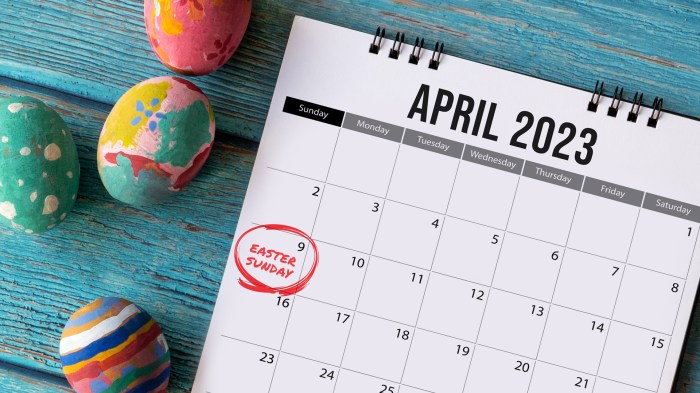
Easter decorative boxes transcend their aesthetic appeal, offering a multifaceted role in the celebration. Beyond mere storage, these boxes become integral components of the Easter experience, adding layers of personalization and utility. Their adaptability allows for a seamless integration into various aspects of the holiday, from the initial hunt to the final lingering memories.Easter boxes, more than just containers, become an extension of the celebration itself.
They encapsulate the spirit of Easter, enabling families to meticulously plan the gifting and egg-hunt experiences. Their versatile design makes them crucial to the overall celebration.
Storage for Easter Treats
The primary function of many Easter boxes is to house the bounty of Easter treats. These range from the classic chocolate eggs and bunnies to the more diverse selection of candies and small gifts. The boxes act as designated repositories, allowing for orderly presentation and convenient distribution during the Easter egg hunt or other festive activities. Their size and shape are often tailored to accommodate a variety of items, making them efficient containers for organizing Easter goodies.
Easter Decoration Integration
Beyond their functional role, Easter boxes can be instrumental in the broader decorative scheme of the holiday. Their vibrant colors and appealing designs can complement the existing Easter decorations, adding an extra layer of visual interest to the overall festive ambiance. They can be strategically placed on tables, shelves, or even incorporated into larger Easter displays. Clever placement and thematic design choices can transform these boxes from simple containers into captivating decorative elements.
Personalization and Customization
Easter boxes provide ample opportunity for personalization and customization. Themed designs can align with specific preferences, whether it’s a particular character from a children’s book, a specific color palette, or a family’s favorite cartoon characters. Personalized touches, such as handwritten messages or small, themed embellishments, can transform these boxes into truly unique and cherished keepsakes. This personalization makes the boxes more meaningful and engaging for the recipients.
For example, a box designed with a specific character from a child’s favorite movie or book will make the gift even more special. Similarly, a personalized message on the box can create a deeper connection between the giver and the receiver.
Gift-Giving and Exchange
Easter decorative boxes are often utilized as vessels for gifts. Their presentation elevates the gift-giving experience, transforming a simple treat into a more thoughtfully presented item. The attractive appearance of the box can create a sense of anticipation and excitement for the recipient. This can extend beyond just the traditional Easter eggs and candies, encompassing a wide range of small gifts that fit within the box.
This demonstrates that the boxes themselves can be a form of gift, enhancing the appreciation for the contents.
Trends and Innovations
Easter decorative boxes are evolving beyond simple containers. Consumers are seeking unique and personalized experiences, driving innovation in design, materials, and functionality. This trend reflects a broader shift towards mindful consumption and the desire for handcrafted, artisanal items, especially during holidays like Easter.Modern Easter box designs are increasingly incorporating sustainable practices, from recycled materials to eco-friendly packaging. This shift aligns with global concerns about environmental impact, demonstrating a growing consumer demand for environmentally conscious products.
Furthermore, digital integration, like QR codes linking to augmented reality experiences or interactive games, is adding a new dimension to the Easter egg hunt.
Current Trends in Easter Decorative Boxes
Easter box trends are moving away from mass-produced uniformity toward personalized, thematic experiences. Consumers are demanding unique and evocative designs, reflecting their individual tastes and cultural heritage. This includes a surge in intricate, handcrafted designs, using techniques like decoupage, wood carving, or detailed embroidery, which adds a personal touch to each box. The increasing popularity of themed boxes, such as whimsical animals, fairytale characters, or nature-inspired motifs, caters to the desire for engaging experiences.
Influence of Trends on Design and Material Choices
The demand for personalized experiences directly influences the design process. Manufacturers are exploring bespoke designs, enabling customers to customize their boxes through online platforms or in-store consultations. This trend is also driving the use of premium materials like handcrafted paper, wood veneers, or metallic finishes. Furthermore, the emphasis on sustainability is prompting a shift toward recycled and repurposed materials, like reclaimed wood or upcycled fabrics.
History of Easter Decorative Boxes
The history of Easter decorative boxes spans centuries. Early examples often featured intricate designs, reflecting the artistry of the period. While the specific techniques and materials have evolved, the underlying desire to celebrate the holiday with unique and thoughtful gifts has remained consistent. Historically, boxes served as containers for eggs and other treats, but they also evolved into symbolic vessels for expressing the spirit of the season.
This history informs contemporary designers, inspiring them to explore new interpretations of traditional Easter themes.
Incorporating Trends into Designs
Easter box designers can incorporate current trends by offering a variety of personalization options, such as custom engravings, monograms, or even the inclusion of small, interactive elements like miniature games or hidden compartments. The use of sustainable materials like bamboo, recycled cardboard, or plant-based inks is becoming increasingly crucial. Digital integration can enhance the experience through QR codes linked to interactive content, or AR overlays that bring the box’s design to life.
Innovative Designs and Materials
Innovative designs are incorporating interactive elements, like hidden compartments for smaller gifts or mini-games integrated into the box structure. Materials like biodegradable plastics, recycled paper, or sustainably sourced wood are gaining traction. The use of metallic finishes, such as gold leaf or painted finishes, adds a touch of luxury and elegance. Boxes designed as miniature gardens, with integrated seeds or small succulents, offer a unique way to connect with nature.
Color Palettes and Aesthetics
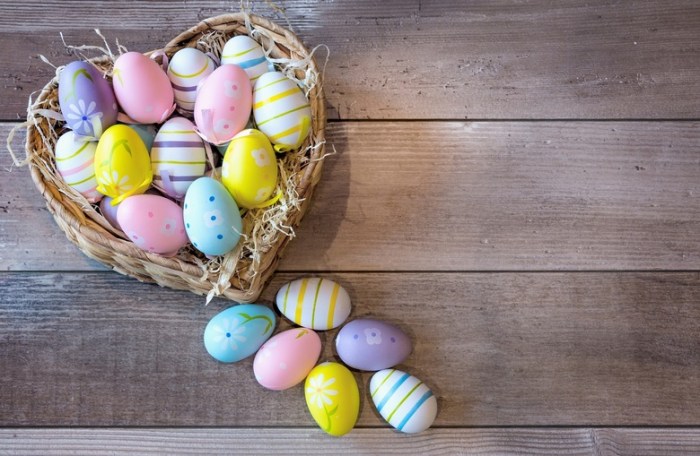
Easter decorative boxes offer a canvas for vibrant displays, reflecting the joyous spirit of the season. The choice of color palette profoundly impacts the overall aesthetic appeal, evoking specific moods and connecting with the intended audience. Carefully considered color choices can elevate the design, while poorly chosen hues can detract from the intended impact. This section delves into popular color palettes for Easter, analyzing their aesthetic impact and how they can be strategically used.
Popular Easter Color Palettes
The selection of color palettes for Easter decorative boxes often draws inspiration from seasonal themes. Warm, spring-like tones and vibrant hues associated with Easter eggs are prevalent choices. This section examines popular color palettes for Easter decorative boxes, focusing on their impact and potential use cases.
- Pastel Palette: Soft, muted shades like lavender, blush pink, mint green, and light yellow evoke a sense of tranquility and delicate beauty, perfect for creating a serene and inviting atmosphere. These colors are ideal for showcasing the gentle rebirth and renewal associated with Easter. This palette often translates to a sophisticated and elegant design, well-suited for high-end gift-giving.
- Vibrant Spring Palette: Bold, saturated hues like sunshine yellow, vibrant orange, coral pink, and kelly green represent the exuberant energy and vitality of springtime. This palette is excellent for boxes targeted at children or those seeking a lively and cheerful aesthetic. The energy and vibrancy of this palette is perfect for attracting attention and expressing excitement.
- Earthy Palette: Natural tones like beige, cream, light brown, and muted greens evoke a sense of connection with nature, reflecting the springtime growth and renewal. This palette is suitable for those seeking a more grounded and natural aesthetic. The earthy tones are ideal for eco-conscious designs and those focused on natural elements.
- Pastel Easter Egg Palette: This palette utilizes a selection of pastel shades commonly associated with Easter eggs, including pastel blues, pinks, greens, and yellows. The muted tones are suitable for both children’s and adult-oriented designs, offering a delicate and engaging aesthetic. The muted colors provide a sense of harmony and balance, often creating a subtle and sophisticated appearance.
Aesthetic Impact of Color Choices
The aesthetic impact of a color palette extends beyond mere visual appeal. Different color choices can evoke distinct emotions and create specific moods. For instance, warm colors like reds and yellows often inspire feelings of excitement and joy, while cool colors like blues and greens evoke a sense of calmness and tranquility. The selection of colors should align with the overall theme and intended message of the decorative box.
Color Palette Moods
| Color Palette | Associated Mood | Design Considerations |
|---|---|---|
| Pastel Palette | Serene, delicate, tranquil | Ideal for sophisticated designs, high-end gifts, and products focusing on relaxation and renewal. |
| Vibrant Spring Palette | Exuberant, lively, cheerful | Excellent for children’s products, gift boxes for parties, and designs that emphasize excitement and energy. |
| Earthy Palette | Grounded, natural, peaceful | Suitable for eco-conscious designs, products focusing on nature, and those seeking a more subdued and tranquil aesthetic. |
| Pastel Easter Egg Palette | Delicate, harmonious, engaging | Appropriate for both children’s and adult-oriented designs, offering a balance of subtlety and visual interest. |
Packaging and Presentation

The presentation of Easter decorative boxes is critical in driving sales and creating a memorable experience for consumers. Beyond the functionality and design of the box itself, the packaging plays a vital role in conveying the brand’s message and establishing a connection with the customer. A well-crafted presentation can elevate a simple box into a captivating piece, increasing perceived value and enhancing the overall experience of receiving the product.Careful consideration of packaging design elements not only enhances the aesthetic appeal but also communicates the brand’s identity and values.
This extends beyond the basic aesthetic, impacting customer perception of quality, craftsmanship, and brand image. A thoughtfully designed package can convey a sense of luxury, playfulness, or sophistication, depending on the intended target audience and the overall brand strategy.
Importance of Packaging Design
Effective packaging design is essential for capturing attention and creating a positive first impression. The design should reflect the Easter theme and complement the box’s interior contents. A visually appealing package can influence purchasing decisions, even in a crowded marketplace. It acts as a silent salesperson, communicating quality, craftsmanship, and brand identity. In today’s competitive market, attention-grabbing packaging is paramount for standing out and capturing customer interest.
Decorative Elements
The use of ribbons, bows, and other decorative elements significantly enhances the visual appeal of Easter decorative boxes. These elements can add a touch of elegance, playfulness, or sophistication, depending on the design chosen. They not only elevate the aesthetic but also contribute to the overall brand message and experience.
- Ribbons: Varied ribbon styles, from simple satin to textured or patterned options, can add a distinct visual element. Consider the color palette and theme to select ribbons that harmonize with the box’s design and the overall Easter theme. A simple, elegant ribbon can convey sophistication, while a playful ribbon can reflect a more whimsical Easter approach.
- Bows: Bows serve as a focal point and add a touch of charm. Different bow styles can convey distinct moods and themes. A large, elaborate bow can add a touch of opulence, while smaller, simpler bows can evoke a more playful or delicate feeling. The choice should be carefully coordinated with the rest of the packaging design.
- Other Decorative Elements: Other elements such as embellishments, stickers, or printed patterns can further personalize the package. Consider incorporating elements like small figurines, decorative papers, or metallic accents to create a unique and memorable presentation. The key is to maintain a cohesive aesthetic that aligns with the brand’s identity and the overall Easter theme. These elements contribute to the box’s story and make the product stand out.
Creative Packaging Ideas
Innovative packaging designs can significantly elevate the customer experience and reinforce brand recognition. These ideas go beyond the typical and focus on unique and memorable presentations.
- Personalized Messages: Adding personalized messages, whether through printed designs or embossed lettering, adds a special touch to the Easter box. This approach creates a more intimate and engaging customer experience. It’s a thoughtful gesture that elevates the product’s value.
- Interactive Elements: Integrating interactive elements, such as hidden compartments or surprise elements, adds an element of surprise and delight. This not only enhances the packaging’s visual appeal but also provides an interactive experience for the recipient. These features can make the opening of the box more exciting.
- Sustainable Materials: Employing sustainable materials, such as recycled paper or biodegradable packaging, enhances the brand’s environmental responsibility and appeals to environmentally conscious consumers. This trend is increasingly popular, showing a commitment to sustainability.
- Miniature Easter Scenes: Creating miniature Easter scenes within the packaging itself, using themed figurines or decorations, adds an immersive element. This enhances the visual appeal and adds a touch of creativity. It transforms the packaging from a simple container into a miniature Easter-themed display.
Pricing and Market Analysis
Easter decorative boxes, a burgeoning segment of the gift and home decor market, present a diverse range of pricing strategies. The profitability of these boxes hinges on a delicate balance between material costs, production complexity, and perceived value. Demand fluctuates based on factors like design trends and marketing efforts.The market for Easter decorative boxes is characterized by a dynamic interplay of factors.
Premium boxes crafted from high-end materials often command a higher price point, appealing to a discerning clientele seeking unique and luxurious items. Conversely, mass-produced, budget-friendly options cater to a broader consumer base, often finding success through strategic partnerships with retailers and promotional campaigns. Understanding these nuances is crucial for maximizing profitability and market share.
Pricing Structure
The price of Easter decorative boxes varies significantly based on material selection, design complexity, and overall size. Factors like the quality of the wood, the intricacy of the carvings, and the use of specialized embellishments all contribute to the final price.
| Material | Design Complexity | Size | Estimated Price Range |
|---|---|---|---|
| Recycled cardboard | Basic | Small | $5-$15 |
| Recycled cardboard | Moderate | Medium | $10-$25 |
| Recycled cardboard | High | Large | $15-$40 |
| Wood | Basic | Small | $15-$35 |
| Wood | Moderate | Medium | $25-$60 |
| Wood | High | Large | $40-$100+ |
| Metal | Basic | Small | $20-$50 |
| Metal | Moderate | Medium | $35-$80 |
| Metal | High | Large | $60-$150+ |
The table above provides a general guideline for pricing. Actual prices may vary depending on specific design elements, production costs, and retailer markups.
Market Demand
The demand for Easter decorative boxes varies based on the specific design and target audience. Minimalist designs, for example, often appeal to a broader demographic, generating a higher volume of sales. Conversely, elaborate, themed designs might attract a more niche audience but command a higher price point. The success of each design hinges on its ability to resonate with the intended consumer base.
Target Audience
The target audience for Easter decorative boxes is diverse, ranging from individuals seeking unique home decor pieces to those looking for thoughtful gifts for friends and family. Smaller, budget-friendly options are often popular among families and individuals with limited budgets. Meanwhile, elaborate and themed boxes appeal to gift-givers looking to make a statement.
DIY Projects and Ideas
Crafting personalized Easter decorative boxes offers a unique and rewarding experience, allowing individuals to express their creativity and tailor the final product to their specific needs and preferences. This hands-on approach fosters a sense of accomplishment and provides a personalized touch, distinguishing the boxes from mass-produced alternatives.Beyond aesthetics, DIY projects offer significant cost savings compared to purchasing pre-made boxes, making them an attractive option for budget-conscious consumers.
The ability to adapt designs to specific needs and themes further enhances the appeal of DIY Easter boxes.
Simple Easter Egg Carton Boxes
This project leverages readily available egg cartons as a foundation, transforming them into charming and functional Easter boxes. The inherent structure of the egg carton provides a solid base, eliminating the need for complex construction techniques.
- Materials: Empty egg cartons, assorted craft papers, ribbons, decorative stickers, glue, scissors, markers, paint, or other embellishments.
- Instructions: Carefully flatten the egg carton, ensuring it remains intact. Cut the craft paper to fit the flattened carton. Apply glue to the carton’s edges and adhere the paper. Decorate with ribbons, stickers, markers, or paint. Add personalized touches, such as drawings or messages, for a unique touch.
Finally, assemble the carton back into its original shape, or cut and shape it further.
Painted Cardboard Boxes
This project showcases the versatility of cardboard boxes, allowing for a wide range of designs and color palettes. The durability of cardboard makes it a practical choice for creating decorative Easter boxes.
- Materials: Cardboard boxes (various sizes), paints (acrylic, watercolors, or craft paints), brushes, stencils (optional), ribbon, glue, glitter, or other embellishments.
- Instructions: Clean the cardboard boxes thoroughly. Choose a design and colors. Apply paint to the boxes using brushes or stencils. Allow the paint to dry completely between coats. Once dry, add decorative elements like ribbons, glitter, or stickers.
Personalize the boxes with messages or drawings.
Fabric-Covered Boxes
This project utilizes fabric to create unique and vibrant Easter boxes. The texture and patterns of fabrics offer endless possibilities for creative expression.
- Materials: Cardboard boxes, fabric scraps (various patterns and colors), glue, scissors, ribbon, decorative pins, or other embellishments.
- Instructions: Measure and cut the fabric to fit the cardboard box. Apply glue to the cardboard box, and carefully place the fabric over it. Press down firmly to ensure the fabric adheres smoothly. Secure the edges of the fabric with ribbon or decorative pins. Add additional embellishments for a personalized touch.
Examples and Images
(Note: Images are not included in this text format.)
Example 1: A simple Easter egg carton box decorated with pastel-colored paper and a small, decorative ribbon. The box could be personalized with a child’s name or a simple drawing.
Example 2: A cardboard box painted with a vibrant spring-themed design, incorporating various flowers and Easter eggs. The box could be further decorated with colorful stickers or glitter.
Example 3: A fabric-covered box featuring a floral print. The fabric could be adorned with small, decorative Easter eggs or a personalized message.
Benefits of DIY Easter Boxes
Creating DIY Easter decorative boxes offers several advantages. The process is highly rewarding, fostering creativity and personal expression. Moreover, it provides a cost-effective alternative to store-bought options, particularly when using readily available materials. Finally, the unique designs can create memorable gifts for friends and family.
Sustainability and Eco-Friendly Options
The Easter decorative box market is increasingly scrutinized for its environmental impact. Consumers are demanding more sustainable practices in the production and packaging of goods, and this is particularly true for seasonal items like Easter boxes. This trend necessitates a shift towards eco-friendly materials and manufacturing processes to ensure long-term market viability.Integrating sustainability into Easter box design requires careful consideration of material sourcing, manufacturing processes, and packaging waste reduction.
This necessitates a focus on materials with minimal environmental footprint and efficient packaging solutions. Companies that prioritize sustainability will gain a competitive advantage in a market increasingly concerned with environmental responsibility.
Sustainable Materials and Packaging
The choice of materials for Easter boxes has a significant impact on the environmental footprint. Natural, renewable, and recycled materials are preferable to those derived from unsustainable sources. Examples of sustainable alternatives include:
- Cardboard and Paper: Recycled cardboard and paper are readily available and can be sourced from sustainable forestry practices. Boxes made from certified recycled content can be highlighted to appeal to environmentally conscious consumers.
- Bioplastics: Bioplastics derived from plant-based sources offer an alternative to traditional petroleum-based plastics. Careful selection of bioplastics is crucial as some may not be fully compostable or biodegradable. The sourcing and processing of these materials must be scrutinized for optimal environmental impact.
- Recycled and Upcycled Materials: Utilizing scrap materials, repurposed items, or recycled components for box construction can significantly reduce waste. This can be implemented through the creative use of repurposed fabrics, recycled paper, or other salvaged components.
Reducing Waste in Production and Packaging
Minimizing waste in Easter box production and packaging is critical for sustainable practices. Companies can adopt various strategies to reduce their environmental impact:
- Minimizing Material Usage: Optimizing box designs and sizes to eliminate unnecessary material usage can lead to significant waste reduction. Employing efficient die-cutting techniques and optimized printing layouts can minimize material waste during the manufacturing process.
- Using Sustainable Packaging: Reducing the amount of packaging material used, employing biodegradable or compostable packaging, and choosing eco-friendly packaging materials are vital steps. This could include using minimal or no plastic wrapping, and opting for recycled or compostable tissue paper for product presentation.
- Implementing Recycling Programs: Establishing and promoting recycling programs for Easter boxes and their components ensures that the boxes have a second life after use. This includes clear labeling and instructions for proper disposal.
Eco-Friendly Designs and Materials
Eco-friendly designs and materials are key to creating sustainable Easter boxes. These can include:
- Minimalist Designs: Simple, minimalist designs can reduce material use, creating boxes with a reduced environmental footprint. This approach can emphasize the aesthetic appeal of the materials used, rather than complex designs that require excessive materials.
- Biodegradable Inks and Coatings: Using biodegradable inks and coatings in printing and finishing processes minimizes the environmental impact of the box production. These options can often be found with minimal compromise on the aesthetic appeal.
- Compostable Inserts: Including compostable inserts or fillers within the boxes adds functionality and enhances the presentation without generating significant waste after use. These can be made from materials such as corn starch or sugarcane.
Closing Summary
In conclusion, Easter decorative boxes offer a dynamic and versatile way to celebrate the season. From traditional styles to innovative designs, this comprehensive guide has explored the essential aspects of crafting memorable Easter experiences. Whether you’re a seasoned crafter or simply looking for creative inspiration, this guide equips you with the knowledge and resources to bring your Easter box visions to life.
