
Japanese outdoor seating cushions transcend mere seating; they embody a philosophy of mindful design, seamlessly blending aesthetics with functionality for outdoor living spaces. From traditional tatami mats to modern interpretations, these cushions offer a unique approach to creating serene and comfortable outdoor retreats, reflecting a deep-rooted cultural appreciation for nature and tranquility.
This exploration delves into the design, materials, cultural significance, and modern adaptations of Japanese outdoor seating cushions. We’ll examine their construction, considering factors like durability, water resistance, and maintenance. Further, the discussion will encompass sourcing, availability, and comparisons with Western-style outdoor furniture, ultimately illuminating the unique appeal of these cushions.
Overview of Japanese Outdoor Seating Cushions
Japanese outdoor seating cushions, a key element of Japanese outdoor aesthetics, blend practicality with cultural significance. These cushions, often crafted with meticulous attention to detail, offer a comfortable and visually appealing alternative to traditional hard surfaces, while seamlessly integrating with the surrounding environment. Their design embodies a philosophy of harmony with nature and respect for tradition.Japanese outdoor seating cushions are more than just functional items; they represent a deep connection to the nation’s cultural heritage and aesthetic sensibilities.
From simple tatami mats to elaborate cushions for outdoor tea ceremonies, these pieces reflect the enduring values of Japanese craftsmanship and respect for the natural world. Modern interpretations often draw on these traditional designs, incorporating contemporary materials and styles, while maintaining the essence of Japanese aesthetic principles.
Materials Used in Japanese Outdoor Cushions
The choice of materials for outdoor seating cushions is crucial for longevity and resilience. Natural fibers like cotton, ramie, and hemp are commonly used for their breathability and natural durability. These materials are often treated with water-resistant finishes to enhance their performance in outdoor settings. Synthetic materials, such as polyester and nylon, are sometimes employed for their ease of maintenance and ability to withstand harsh weather conditions.
Bamboo, due to its lightweight and natural resistance to moisture, is also increasingly popular.
Cultural Significance and Aesthetic Appeal
Japanese outdoor seating cushions hold a significant place in the nation’s cultural fabric. They embody the concept ofwabi-sabi*, which embraces the beauty found in imperfection and natural simplicity. The muted colors and natural textures of these cushions often harmonize with the surrounding landscape, fostering a sense of serenity and connection with nature. The use of these cushions in outdoor tea ceremonies, for example, further underscores their cultural importance, as they facilitate comfortable and respectful interactions with the environment and the ritual.
Examples of Different Types of Cushions
Tatami mats, traditionally used for indoor seating, are frequently adapted for outdoor use, offering a connection to traditional Japanese aesthetics. These mats, often made from woven rice straw or rushes, are remarkably durable and naturally resistant to moisture. Cushions designed for outdoor tea ceremonies, known aschabudai*, often feature intricate patterns and carefully selected materials, reflecting the meticulous attention to detail in Japanese craftsmanship.
Modern interpretations of these cushions, incorporating innovative designs and sustainable materials, continue the tradition while adapting to contemporary tastes.
Comparison of Materials for Outdoor Use
| Material | Pros | Cons |
|---|---|---|
| Cotton | Breathable, natural, relatively affordable | Can absorb moisture, may require more frequent cleaning |
| Hemp | Strong, durable, naturally water-resistant | Can be more expensive than cotton |
| Ramie | Lightweight, strong, moisture-wicking | May require more care than other natural fibers |
| Polyester | Durable, water-resistant, easy to clean | Less breathable than natural fibers, may feel less natural |
| Nylon | Highly water-resistant, strong, lightweight | Can feel less comfortable than natural fibers |
| Bamboo | Lightweight, naturally resistant to moisture, eco-friendly | May be susceptible to damage from extreme weather conditions |
The selection of materials directly impacts the durability, comfort, and aesthetic appeal of the cushions, ultimately influencing the overall user experience in an outdoor setting.
Design and Functionality
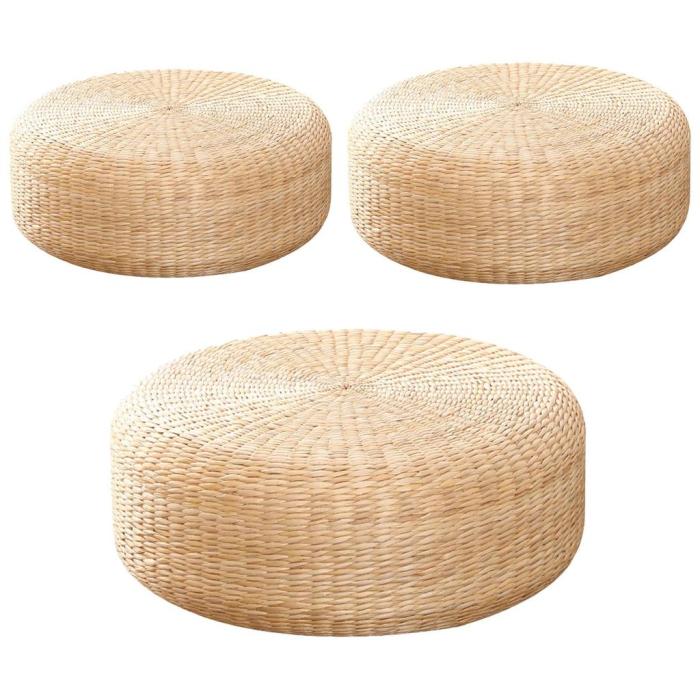
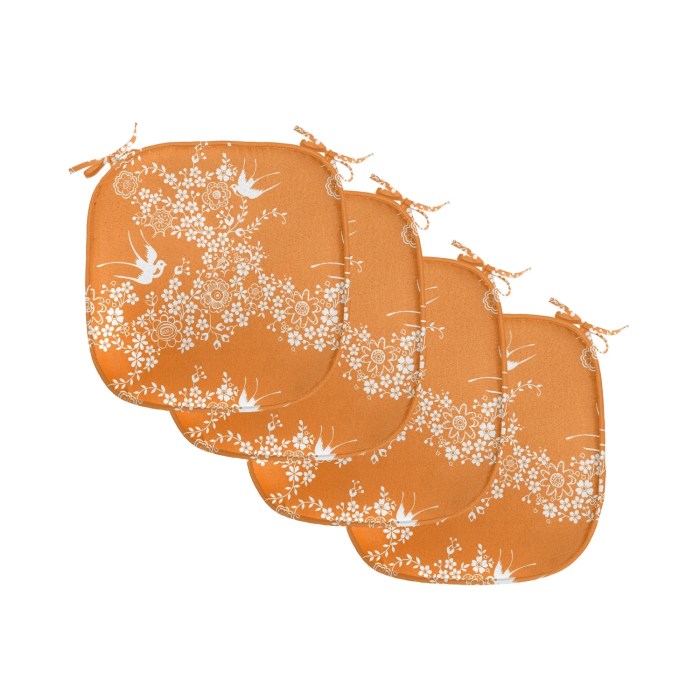
Japanese outdoor seating cushions offer a unique blend of aesthetics and practicality, seamlessly integrating comfort and durability into outdoor spaces. Their design often reflects traditional Japanese aesthetics, prioritizing natural materials and harmonious color palettes, while also considering the specific needs of outdoor use. This blend of tradition and practicality makes them highly sought after for patios, gardens, and other outdoor settings.The design of these cushions is deeply rooted in Japanese cultural values, with a focus on minimalism and functionality.
This is apparent in their carefully considered shapes, sizes, and patterns, which are designed to not only enhance the visual appeal of the space but also provide a high level of comfort.
Typical Shapes, Sizes, and Patterns
Japanese outdoor seating cushions often feature simple, elegant shapes, such as rectangular, square, or rounded forms. These shapes are frequently paired with a variety of sizes, from compact cushions for small spaces to larger options designed for lounging and relaxing. Traditional Japanese patterns, like subtle floral designs or intricate woven motifs, are often used, creating a sense of serenity and sophistication.
These patterns can also be adapted to modern styles, featuring geometric or abstract designs, to create a contemporary feel.
Comfort Level and Durability
These cushions are meticulously crafted to prioritize comfort. High-quality materials, such as tightly woven fabrics or natural fibers, contribute to their plush feel. The filling materials, often a blend of natural fibers and synthetic materials, provide excellent support and resilience, ensuring a comfortable seating experience. The durability of these cushions is a key consideration. They are often constructed from water-resistant and UV-resistant fabrics, ensuring they withstand the rigors of outdoor use and maintain their aesthetic appeal over time.
Reinforced stitching and carefully chosen materials also contribute to their longevity.
Water Resistance and UV Protection
A crucial aspect of outdoor cushions is their ability to withstand exposure to the elements. Japanese outdoor cushions often incorporate water-resistant fabrics, preventing damage from rain and moisture. Additionally, they are frequently treated with UV protection, safeguarding them from the sun’s harmful rays and preventing fading or deterioration. These features are essential for maintaining the beauty and functionality of the cushions in diverse outdoor settings.
Sizes and Shapes for Various Spaces
| Cushion Size & Shape | Suitable Outdoor Spaces ||—|—|| Small, Square Cushions (18″ x 18″) | Small patios, balconies, or as accent pieces || Medium, Rectangular Cushions (30″ x 20″) | Patio seating areas, garden benches, or as complements to larger furniture || Large, Round Cushions (48″ diameter) | Lounging areas, gazebos, or outdoor seating arrangements where ample space is needed || Custom-designed cushions | Outdoor spaces with specific seating requirements, like seating areas with unusual angles or unique furniture arrangements |This table provides a basic guide.
Ultimately, the best size and shape for a particular space depend on individual preferences and the overall aesthetic of the outdoor area. Customization is also a key factor.
Color and Texture in Outdoor Ambiance
The use of color and texture significantly impacts the ambiance of outdoor settings. Japanese outdoor cushions often feature calming, natural color palettes, such as muted greens, earthy browns, and soft blues, which promote a sense of serenity and tranquility. These colors harmonize with the natural surroundings, enhancing the overall aesthetic appeal. The texture of the cushions, such as the weave of the fabric or the softness of the filling, further contributes to the overall sensory experience, creating a more inviting and comfortable space.
These cushions can be seamlessly integrated into diverse outdoor spaces, enhancing the visual harmony and creating a welcoming atmosphere.
Materials and Construction
Japanese outdoor seating cushions, a blend of tradition and modernity, showcase a sophisticated approach to durability and aesthetics. Their construction, carefully balancing historical techniques with contemporary advancements, ensures longevity and weather resistance, crucial for outdoor use. The selection of materials, from natural fibers to advanced synthetic blends, directly impacts the cushion’s performance and lifespan.The materials employed in these cushions are carefully chosen, reflecting both cultural heritage and the need for outdoor resilience.
Traditional methods often prioritized natural resources, while modern designs incorporate synthetic components for enhanced performance. This balance is key to appreciating the nuanced evolution of these seating elements.
Traditional Materials and Construction
Traditional Japanese outdoor seating cushions frequently utilize natural fibers like ramie, hemp, and cotton. These materials, often woven into intricate patterns, provide a comfortable texture and a connection to the surrounding environment. The inherent breathability of natural fibers contributes to a pleasant seating experience, especially in warmer climates. Additionally, the natural resistance to moisture in some of these fibers contributes to their durability.
However, natural fibers can be more susceptible to moisture damage and may require more maintenance than modern synthetic alternatives.
Modern Materials and Waterproofing
Contemporary outdoor cushions incorporate synthetic fabrics like polyester and nylon, often combined with waterproof coatings or treatments. These synthetic materials offer enhanced durability and resistance to water damage, crucial for outdoor applications. The use of waterproof coatings significantly extends the lifespan of the cushion by preventing water absorption and subsequent mold or mildew growth. This technological advancement allows for a more versatile and dependable outdoor seating solution.
Durability and Maintenance
The durability of a cushion is intrinsically linked to the material and construction techniques. Natural fibers, while comfortable, may require more frequent cleaning and maintenance, potentially reducing their overall lifespan. Synthetic fabrics, often treated with waterproof coatings, generally offer superior resistance to weathering and moisture. The construction techniques, including the use of reinforced stitching and strong backing materials, contribute to the overall longevity of the cushions.
Appropriate maintenance, such as regular cleaning and storage during inclement weather, is essential for preserving the quality and lifespan of any cushion, regardless of material.
Comparison of Materials
| Material | Durability | Weather Resistance | Maintenance |
|---|---|---|---|
| Ramie | Moderate | Moderate (susceptible to moisture) | Regular cleaning, protect from prolonged moisture |
| Hemp | Good | Good (fair resistance to moisture) | Regular cleaning, protect from prolonged moisture |
| Cotton | Moderate | Moderate (susceptible to moisture and fading) | Regular cleaning, protect from prolonged moisture and sun exposure |
| Polyester | High | High (resistant to water, UV rays) | Easy cleaning, protect from extreme heat |
| Nylon | Very High | Very High (resistant to water, UV rays, abrasion) | Easy cleaning, protect from extreme heat |
Note: Durability and weather resistance ratings are relative and can vary based on specific manufacturing processes and treatments.
Cultural Context and Aesthetics
Japanese outdoor seating cushions, known aszabuton*, are more than just functional pieces of furniture; they embody deep-seated cultural traditions and aesthetic principles. Their design and use reflect a profound respect for nature, the environment, and the social rituals inherent in Japanese culture. Beyond comfort, these cushions offer a nuanced understanding of Japanese design sensibilities.Japanese seating customs are deeply rooted in the concept of
- ma*, or space.
- Zabuton* for outdoor use, particularly in gardens and tea ceremonies, are not simply placed; they are carefully positioned to establish a harmonious relationship between the individual and the surroundings. This meticulous consideration for space extends to the cushions’ colors, patterns, and materials.
Cultural Significance in Traditions and Customs
The use of
- zabuton* in Japanese outdoor spaces is deeply entwined with various cultural traditions and customs. In traditional tea ceremonies,
- zabuton* are used to define specific seating areas and establish a hierarchical seating arrangement, thereby creating a structured and respectful atmosphere. This custom extends to outdoor events like festivals and gatherings, reflecting the importance of order and social harmony in Japanese society. The presence of
- zabuton* contributes to the aesthetic and ritualistic aspects of these events.
Role in Outdoor Ceremonies and Events
- Zabuton* play a crucial role in the organization and atmosphere of outdoor ceremonies and events. In festivals, these cushions create designated areas for different activities, such as performing arts or community gatherings. Their placement and arrangement dictate the flow of the event and the interaction between participants. Outdoor tea ceremonies, in particular, utilize
- zabuton* to establish a structured yet intimate space, reflecting the meticulous attention to detail and harmony central to Japanese culture.
Aesthetic Principles Influencing Design
The design of
- zabuton* for outdoor use is deeply influenced by Japanese aesthetics. The concept of
- wabi-sabi*, which embraces the beauty of imperfection and natural materials, is often evident in the simple yet elegant forms of the cushions. The use of natural colors and muted tones, often reflecting the colors of the surrounding environment, contributes to the aesthetic harmony. Similarly, the integration of natural elements, such as bamboo or wood, into the cushion’s construction further enhances its aesthetic appeal.
Common Motifs and Symbols
Zabuton* patterns often incorporate traditional Japanese motifs and symbols, each with its own significance. Designs featuring blossoming cherry blossoms, stylized landscapes, or depictions of animals like cranes, are common and represent concepts like beauty, longevity, and serenity. The choice of motifs often reflects the specific occasion or the user’s preferences, adding a personal touch to the cushion’s aesthetic.
Reflection of Japanese Design Sensibilities
Japanese outdoor seating cushions are a clear reflection of Japanese design sensibilities, showcasing a blend of functionality, aesthetics, and cultural significance. The meticulous attention to detail in the cushions’ construction and placement, combined with the use of traditional motifs and colors, exemplifies the Japanese appreciation for natural materials and harmony with the environment. These
zabuton* are not merely seating; they are integral parts of the overall experience, contributing to the cultural and aesthetic richness of Japanese outdoor spaces.
Modern Interpretations and Adaptations
Japanese outdoor seating cushions, steeped in centuries of tradition, are undergoing a fascinating evolution. Designers are reimagining these time-honored pieces for contemporary lifestyles, blending the aesthetic principles of the past with the practical needs of today’s outdoor spaces. This adaptation process is reflected in a diverse range of interpretations, showcasing a nuanced interplay between tradition and innovation.Contemporary interpretations of Japanese outdoor seating cushions are no longer confined to traditional aesthetics.
The materials, designs, and functionality are being adapted to suit modern outdoor spaces and lifestyles, creating a harmonious integration with contemporary furniture and landscaping. This dynamic evolution allows the cushions to maintain their cultural significance while embracing contemporary design sensibilities.
Examples of Modern Interpretations
Modern interpretations of Japanese outdoor seating cushions showcase a remarkable diversity. These cushions are now found in a broader spectrum of styles, from minimalist designs with clean lines to more ornate patterns that reflect traditional motifs. Fabric choices extend beyond natural fibers, incorporating synthetic materials for enhanced durability and water resistance, crucial for outdoor use. These innovations allow the cushions to thrive in a variety of settings, from urban terraces to secluded gardens.
Examples include cushions featuring subtle, contemporary color palettes or bold, graphic patterns.
Adaptation to Contemporary Outdoor Spaces
Japanese outdoor seating cushions are increasingly adapting to the specific needs of contemporary outdoor spaces. Modern designs incorporate features such as integrated storage compartments or built-in sun shields. The functionality of these cushions has been enhanced through innovative construction techniques that ensure longevity and comfort in varied weather conditions. For example, cushions designed for shaded seating areas might incorporate breathable fabrics, while those positioned in direct sunlight might include UV-resistant materials.
Trends in Design and Materials
Several key trends characterize modern Japanese outdoor seating cushions. Minimalist designs with clean lines and neutral color palettes are gaining popularity, creating a serene and sophisticated ambiance. Conversely, cushions with bold, geometric patterns or vibrant colors are also becoming increasingly common, reflecting a more playful and expressive aesthetic. Water-resistant and UV-resistant materials, like weather-treated textiles and treated wicker, are increasingly favored, ensuring durability and longevity in outdoor settings.
The integration of sustainable materials, such as recycled plastics or organic cotton, is also a significant trend, aligning with environmentally conscious design principles.
Integration with Contemporary Furniture and Landscaping
The seamless integration of Japanese outdoor seating cushions with contemporary outdoor furniture and landscaping is crucial. Modern designs often incorporate complementary colors and textures, creating cohesive outdoor spaces. The use of natural materials, such as bamboo or wood, in furniture further emphasizes the harmonious blend of traditional and contemporary elements. The selection of cushions is crucial in creating a unified aesthetic.
For instance, a set of cushions in a deep indigo blue might complement a light gray wooden patio set, while a collection of cushions in muted earth tones might blend seamlessly with a natural stone patio.
Comparison of Traditional and Modern Design Elements
Traditional Japanese outdoor seating cushions often feature natural materials like tatami or straw, and patterns based on traditional Japanese art forms. Modern interpretations retain the essence of these elements but often incorporate more contemporary materials, like weather-resistant polyester or acrylics. Modern designs often prioritize functionality, incorporating features like water resistance and integrated storage, which were often absent in traditional designs.
Despite these adaptations, the core aesthetic principles of simplicity, natural harmony, and mindful design remain. The use of natural materials and a focus on creating a harmonious space continue to be central themes.
Maintenance and Care
Japanese outdoor seating cushions, prized for their aesthetic appeal and comfort, require diligent care to maintain their beauty and longevity. Proper cleaning, protection from the elements, and careful storage are crucial for ensuring these cushions remain a cherished part of outdoor spaces for years to come. Neglecting these practices can lead to premature deterioration and reduced enjoyment.
Cleaning and Maintenance Procedures
Japanese outdoor cushions, often crafted from weather-resistant materials, typically benefit from gentle cleaning methods. Avoid harsh scrubbing or strong detergents that could damage the fabric or compromise the cushion’s waterproofing. A soft brush or sponge, combined with mild soap and water, is often sufficient. Thorough rinsing and air-drying are essential to prevent water spots or mold growth.
For cushions with intricate woven patterns, specialized cleaning solutions or professional cleaning services may be necessary.
Protecting from the Elements
Outdoor cushions face constant exposure to the elements. Sun exposure can fade colors and degrade materials over time. Rain can cause water damage and mildew if not properly addressed. Extreme temperatures can warp or crack some materials. Positioning cushions under shade structures or using waterproof covers during inclement weather is a proactive approach to protecting them.
Storage Recommendations
Proper storage is vital to preserving the integrity of Japanese outdoor cushions. Storing cushions in a cool, dry place, away from direct sunlight and extreme temperatures, is recommended. Rolling or folding cushions carefully, ensuring no sharp edges or points are pressing against the fabric, will prevent warping or creasing. Use dust covers or protective materials to further shield the cushions from dust and debris while in storage.
Essential Care for Different Materials
- Natural Fibers (e.g., cotton, linen): These cushions often benefit from gentle hand washing or professional cleaning services to prevent shrinkage or damage. Air drying is crucial to avoid warping or stretching. Store in a well-ventilated area to minimize moisture buildup.
- Synthetic Materials (e.g., polyester, acrylic): These materials are generally more resilient to water damage. Spot cleaning with a damp cloth and mild detergent is often sufficient. Allow complete air drying before storing. Avoid prolonged exposure to direct sunlight.
- Water-Resistant Fabrics (e.g., treated cotton, coated fabrics): These cushions can withstand more moisture and are ideal for outdoor use. Spot clean or gently wash with a garden hose and mild detergent. Allow complete drying before storage. Regular inspection for any signs of damage or wear is important.
Protective Covers and Treatments
Using protective covers or treatments can significantly extend the lifespan of outdoor seating cushions. Waterproof covers shield the cushions from rain and moisture, preventing mildew and water damage. UV-resistant covers protect against fading caused by prolonged sun exposure. Special treatments, like water repellents or stain guards, can enhance the cushions’ ability to resist dirt and spills.
Applications and Use Cases
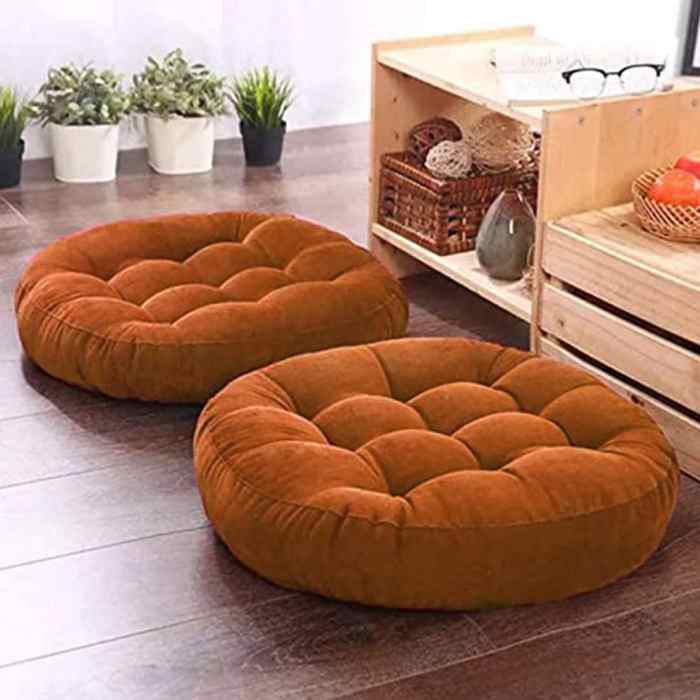
Japanese outdoor seating cushions, with their emphasis on comfort, aesthetics, and integration with nature, offer a diverse range of applications for enhancing outdoor spaces. These cushions transcend simple seating, becoming integral components of meticulously designed outdoor living environments, seamlessly blending functionality and cultural nuance.Beyond mere practicality, these cushions are designed to foster a sense of calm and connection with the surroundings.
Their adaptability allows for versatile placement and arrangement, transforming outdoor areas into inviting spaces for relaxation, socializing, and enjoying the outdoors.
Gardens and Outdoor Living Spaces
These cushions, often crafted from natural materials like bamboo or woven rattan, are ideally suited for gardens. Their organic textures complement the natural beauty of foliage and landscaping, creating a harmonious aesthetic. Positioning these cushions in shaded areas or by water features can enhance the tranquility and serenity of a garden setting. Outdoor living spaces can benefit significantly from their presence, as they provide comfortable seating for conversation, dining, or simply unwinding.
Patios and Terraces
On patios and terraces, these cushions can add a touch of elegance and comfort. They can be arranged in intimate clusters for conversation or in larger groups for entertaining. The cushions can be strategically placed to maximize the view, providing a comfortable seating area for enjoying the scenery or a meal outdoors. They can even serve as a dividing element between different areas of the patio or terrace, creating distinct zones for different activities.
For example, a collection of cushions arranged around a small coffee table can serve as a cozy lounge area.
Outdoor Dining Areas
Integrating these cushions into outdoor dining areas offers a unique approach to dining al fresco. They provide a comfortable and stylish alternative to traditional patio furniture. These cushions can be arranged around a dining table, creating a welcoming ambiance for gatherings. The cushions’ design, often featuring subtle patterns or textures, can complement the table’s aesthetic and create a cohesive outdoor dining experience.
For example, a set of cushions in a muted tone can create a relaxed and elegant atmosphere for a dinner party.
Outdoor Lounging Areas
Creating dedicated lounging areas is another excellent application for Japanese outdoor seating cushions. Strategically placed cushions can define a relaxing haven, allowing for comfortable lounging and unwinding. These cushions can be arranged in a relaxed, informal manner, encouraging relaxation and creating a serene atmosphere. They can be grouped together in a semi-circular arrangement around a central focal point, like a fire pit or a water feature, for example.
Sourcing and Availability
Japanese outdoor seating cushions, often crafted with meticulous attention to detail and natural materials, command a premium in the global market. Their availability varies significantly, influenced by factors like demand, production capacity, and retailer focus. Securing authentic pieces requires careful research and consideration of potential pitfalls in the sourcing process.
Global Market Availability
The availability of authentic Japanese outdoor seating cushions varies considerably across regions. Demand in North America and Europe often outstrips supply, potentially leading to higher prices and longer lead times. Conversely, availability in Japan itself is likely to be more readily accessible through specialized retailers or directly from manufacturers. Asian markets may also offer some options, though quality control and authenticity verification become more critical.
Identifying Authentic Cushions
Authentic Japanese outdoor seating cushions typically feature specific design elements and craftsmanship. These elements often include the use of traditional weaving techniques, natural dyes, and high-quality, locally sourced materials. A crucial aspect of authenticity involves verifying the origin and manufacturer of the cushion. Checking for labels, certificates of origin, or contacting the manufacturer directly can help to verify the authenticity of a product.
A detailed examination of the materials, stitching, and overall design is also recommended.
Retailer Examples
Finding Japanese outdoor seating cushions can be accomplished through various channels. Online retailers, such as specialized Japanese import sites, can offer a wider selection, but often require additional research to confirm authenticity. Offline retailers, including high-end furniture stores and specialty shops in areas with a strong Japanese cultural presence, might stock a curated selection of these cushions. Luxury design showrooms frequently feature items with strong provenance and craftsmanship.
Locating Cushions: Methods and Strategies
Several methods can be used to locate authentic Japanese outdoor seating cushions. A combination of online research, contacting Japanese manufacturers or distributors, and visiting specialty retailers in areas with a significant Japanese community can prove fruitful. Participating in online forums or groups dedicated to Japanese design and craftsmanship could also reveal potential sources. Furthermore, attending trade shows or design exhibitions focused on Japanese products or culture may uncover unique opportunities.
Retailer Table
| Retailer | Location | Typical Price Range (USD) | Product Type | Authenticity Verification |
|---|---|---|---|---|
| Etsy Japan Shops | Online | $200-$1500 | Various Styles, Handmade | Check seller profile, reviews, and contact for details |
| Kurashi | Online/Select Locations | $300-$2500 | Modern/Traditional | Verify origin via manufacturer contact or certificates |
| Tokyo Design Center (Select Locations) | Offline | $500-$5000+ | High-End, Limited Editions | Visual Inspection, direct confirmation with the store |
| Japanese Cultural Center (Select Locations) | Offline | $250-$1000 | Traditional Styles | Ask for details on craftsmanship and origin |
Note: Prices are estimates and can vary significantly based on size, materials, and customization. Authenticity verification is crucial for ensuring a genuine Japanese product.
Comparison with Other Outdoor Seating Options
Japanese outdoor seating cushions offer a unique blend of comfort, aesthetics, and cultural significance, contrasting sharply with the more readily available Western-style outdoor furniture. This comparison highlights the distinct advantages and disadvantages of each approach, considering comfort, aesthetics, maintenance, and suitability for various climates.Western-style outdoor furniture, often made of metal, plastic, or treated wood, typically prioritizes durability and resistance to weather.
However, they frequently sacrifice comfort and aesthetic integration with the surrounding environment. Japanese cushions, conversely, emphasize natural materials and an intuitive connection to the outdoor space, prioritizing comfort and subtle beauty over sheer durability.
Comfort Levels
Japanese outdoor cushions are designed for a relaxed, informal seating experience, often incorporating layered padding and strategically placed support. This focus on comfort often translates into a more indulgent seating experience compared to many Western-style options. The cushions’ adaptability to varied body shapes and postures contributes to this elevated comfort level. Conversely, Western outdoor furniture often prioritizes a more rigid, supportive structure, which may not provide the same level of comfort for extended periods.
Aesthetics
Japanese outdoor cushions often draw inspiration from traditional aesthetics, featuring muted color palettes and natural textures. This approach fosters a harmonious integration with the surrounding environment, especially in gardens and outdoor spaces designed with a similar aesthetic. Western outdoor furniture, on the other hand, frequently employs bolder colors and more pronounced designs, sometimes creating a stark contrast with the natural surroundings.
The visual appeal of each style will depend heavily on the specific design elements and personal preferences.
Maintenance Requirements
Japanese outdoor cushions, while crafted from natural materials like cotton or linen, often require more frequent cleaning and maintenance than their Western counterparts. Regular cleaning and protection from excessive moisture are crucial to preserving their integrity. Western outdoor furniture, often made from more resistant materials, might require less frequent maintenance, but may not always be as comfortable or as aesthetically integrated into the environment.
Suitability for Various Climates and Outdoor Environments
The suitability of both styles is strongly influenced by the local climate. Japanese cushions, while comfortable in mild climates, might not be ideal for extremely hot or humid environments without proper protection. Western outdoor furniture, often made from weather-resistant materials, is better suited for harsher climates, but may not always offer the same level of comfort. The ideal choice will depend on the specific climate conditions and the desired level of comfort.
Comparison Table
| Feature | Japanese Outdoor Cushions | Western Outdoor Furniture |
|---|---|---|
| Material | Natural fibers (cotton, linen, bamboo), sometimes with weather-resistant treatments | Metal, plastic, treated wood |
| Aesthetics | Subtle, natural, often integrated with the surrounding environment | Bold, modern, potentially contrasting with the natural environment |
| Cost | Moderate to high, depending on quality and craftsmanship | Generally lower cost for simpler designs, higher for premium materials and designs |
| Comfort | Generally higher comfort due to padded design | Variable, often more rigid and less comfortable for extended use |
| Maintenance | Requires more frequent cleaning and protection | Requires less frequent cleaning, but may need regular maintenance depending on material |
Design Considerations for Specific Outdoor Spaces
Japanese outdoor seating cushions, prized for their aesthetic and functional integration into various settings, demand careful consideration when chosen for specific outdoor spaces. From the subtle interplay of light and shadow to the harmonious blend with surrounding landscaping, the right cushion can transform a simple patio into a serene retreat. Selecting the optimal size, shape, and color is crucial to achieve the desired ambience.Careful planning ensures these cushions seamlessly enhance the outdoor space’s character.
Factors such as the available space, prevailing lighting conditions, and the existing landscaping elements should all be taken into account. The goal is not just to add comfort, but to elevate the overall aesthetic and functionality of the outdoor area.
Space Considerations
The dimensions of the outdoor space significantly influence the choice of cushions. For small balconies or patios, compact, low-profile cushions are ideal to avoid visual clutter. Larger outdoor spaces, like gardens or courtyards, can accommodate a wider variety of cushion sizes and styles, allowing for more elaborate seating arrangements. Considering the available space ensures the seating area feels balanced and proportionate.
Lighting Considerations
The interplay of light and shadow profoundly affects the perception of outdoor seating. Cushions in lighter colors can brighten up shaded areas, while darker colors can add depth and drama in sun-drenched spots. Natural light variations throughout the day should also be factored into the decision-making process. Consider the color saturation and how it changes with the time of day.
Surrounding Elements and Landscaping
The surrounding landscaping plays a crucial role in the design choice. For a garden setting, cushions with natural tones and patterns, like those inspired by bamboo or foliage, might blend seamlessly with the environment. Patios with a more modern aesthetic might benefit from cushions in bolder colors or geometric patterns. The choice should complement the existing landscaping style.
Size, Shape, and Color Selection
The size and shape of the cushions should complement the intended use and seating arrangement. Rectangular cushions might be suitable for a formal patio setting, while round or square cushions might be more appropriate for a casual gathering area. Color selection should harmonize with the existing color palette of the outdoor space. Neutral tones can complement various landscaping styles, while brighter colors can add a pop of vibrancy.
Consider the interplay of color with the surrounding foliage and architecture.
Integration into Landscaping Styles
Japanese outdoor seating cushions can be integrated into various landscaping styles. In a Zen garden, minimalist cushions with natural hues will blend seamlessly with the serene atmosphere. For a contemporary patio, cushions with bold geometric patterns can add a modern touch. The design should enhance the existing style, not clash with it. For example, cushions with muted earth tones work well in a natural garden, while brighter, more saturated cushions could add a splash of color in a modern patio.
Cushion Choices for Different Outdoor Spaces
| Outdoor Space | Cushion Aesthetics | Cushion Functionality |
|---|---|---|
| Zen Garden | Minimalist, natural tones (e.g., beige, gray, muted greens), subtle patterns | Low-profile, lightweight, durable for longevity |
| Modern Patio | Geometric patterns, bold colors (e.g., deep blues, rich reds), contrasting textures | Durable, water-resistant, easily cleaned, supportive |
| Rustic Courtyard | Warm tones (e.g., terracotta, browns), natural fabrics | Sturdy construction, weather-resistant, comfortable for relaxation |
| Balcony | Compact designs, neutral colors, lightweight | Space-saving, easy to move, quick to dry |
Final Wrap-Up
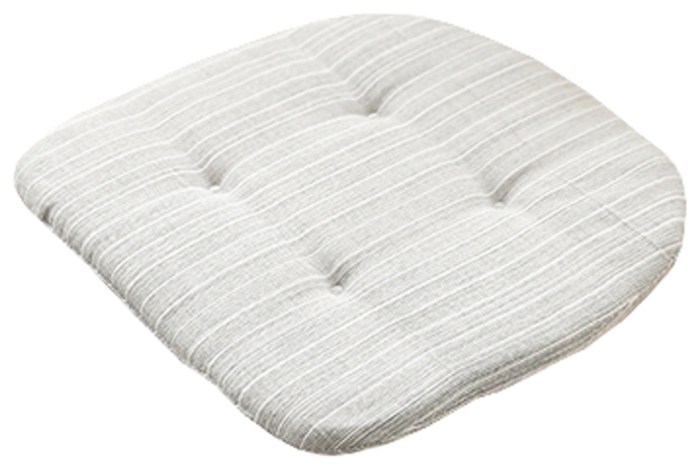
In conclusion, Japanese outdoor seating cushions stand out as a compelling alternative to conventional outdoor furniture, offering a distinctive blend of comfort, aesthetics, and cultural significance. Their adaptability to various outdoor settings, coupled with their thoughtful design and meticulous craftsmanship, makes them an appealing choice for those seeking to create unique and tranquil outdoor spaces. Understanding their diverse materials, construction methods, and maintenance requirements empowers individuals to choose the perfect cushion for their specific needs and desired ambiance.
